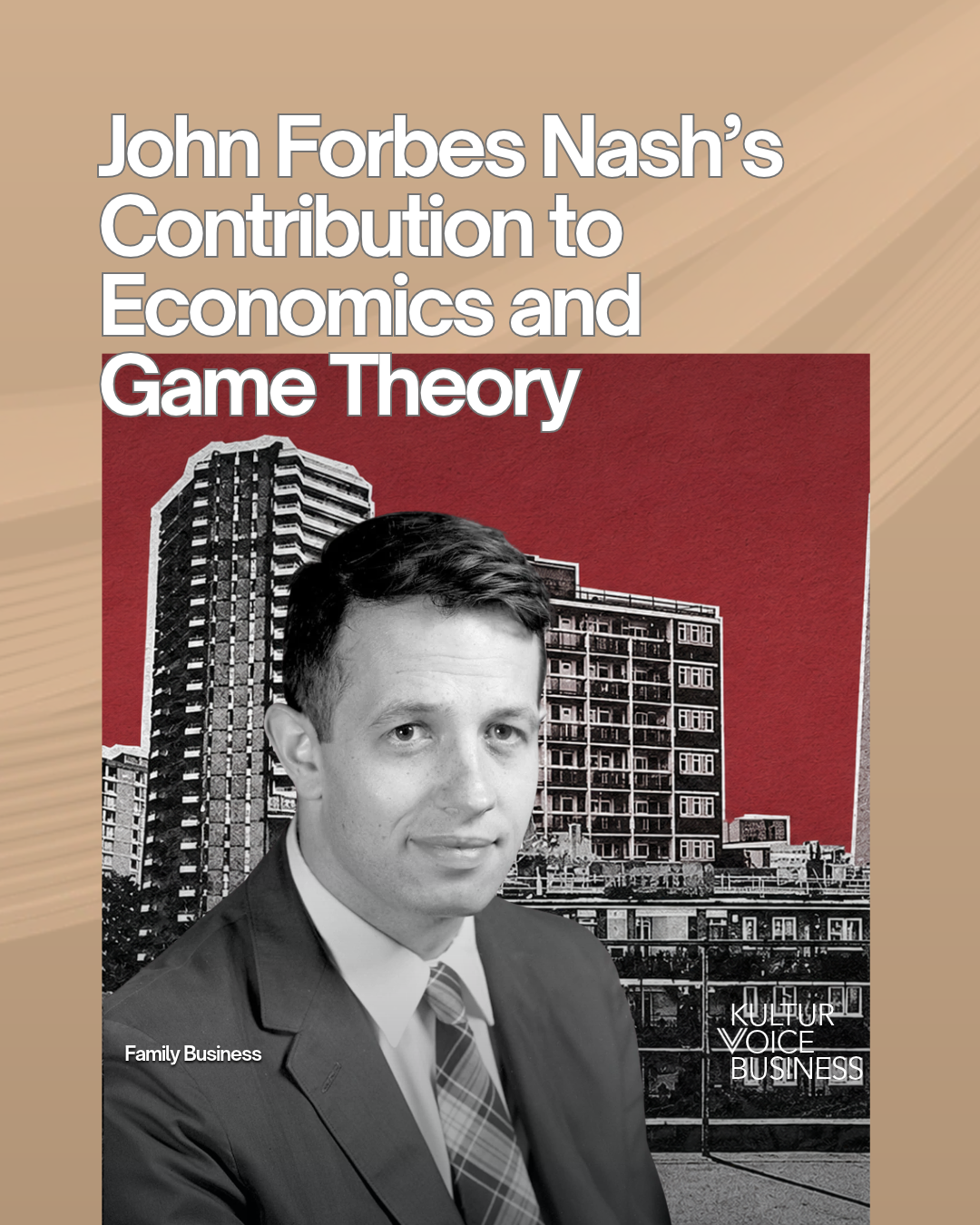
John Forbes Nash’s Contribution to Economics and Game Theory

John Forbes Nash Jr. (1928–2015) was an American mathematician best known for his groundbreaking contributions to economics through game theory. Born in Bluefield, West Virginia, Nash demonstrated exceptional mathematical abilities from an early age. He studied at Carnegie Institute of Technology before pursuing his doctoral degree at Princeton University, where he developed his influential ideas […]

Read More

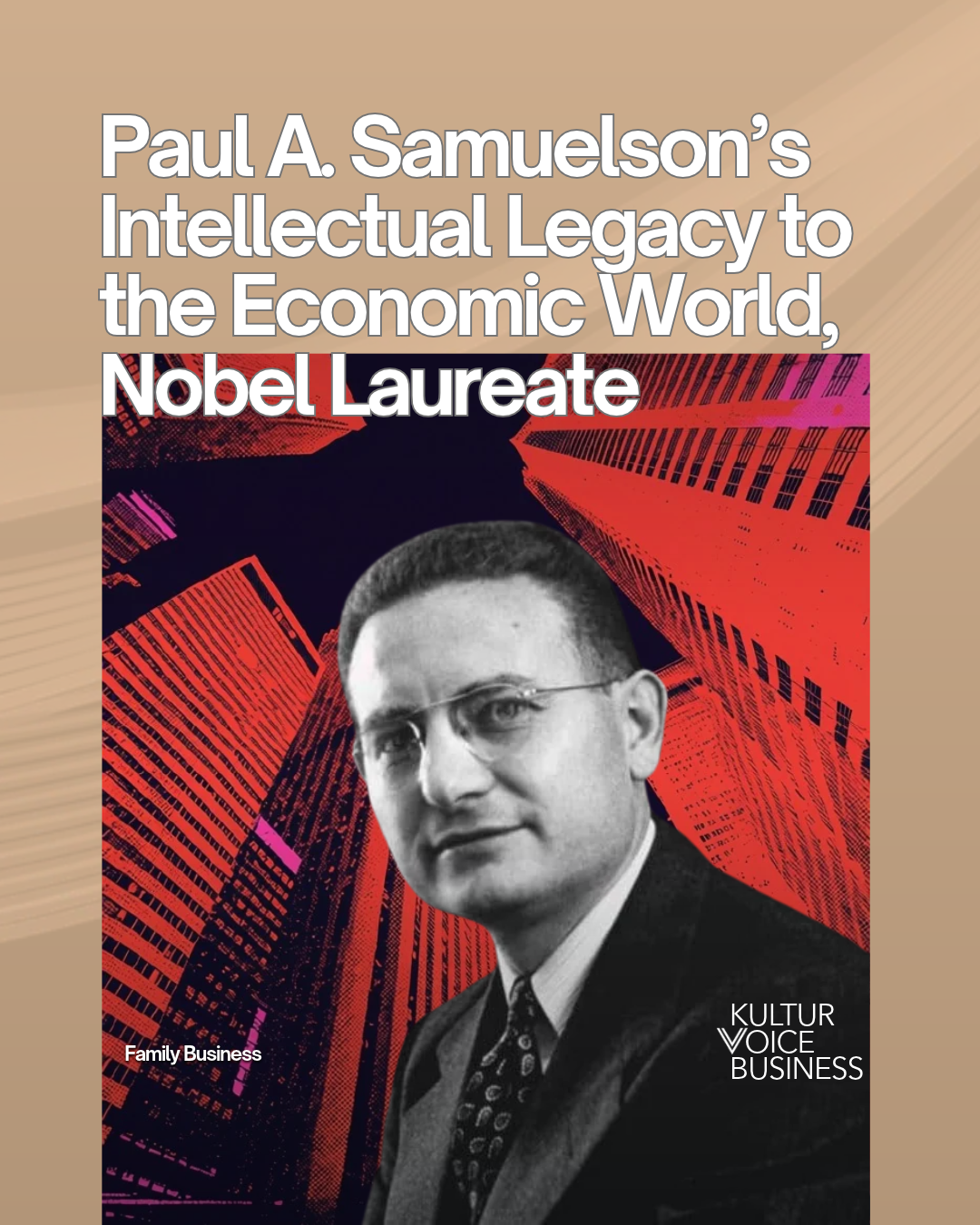
Paul A. Samuelson’s Intellectual Legacy to the Economic World, Nobel Laureate

Paul Anthony Samuelson (1915–2009) was an influential American economist who played a major role in shaping modern economic thought. He was a professor at the Massachusetts Institute of Technology (MIT) and became the first American to receive the Nobel Memorial Prize in Economic Sciences in 1970. Throughout his career, Samuelson contributed to various branches of […]

Read More

3 Timeless Financial Principles

Building wealth is often associated with higher incomes, successful investments, and financial milestones. Yet, beneath the pursuit of financial growth lies a set of principles that remain relevant regardless of how much money a person earns. While wealth may change the opportunities available to us, the fundamentals of managing it remain remarkably consistent. The first […]

Read More

Business Growth Is a Long-Term Game

Success is often presented as a race. Social media highlights young entrepreneurs building million-dollar companies, making early investments, and achieving milestones that once took decades. While these stories can be inspiring, they can also create unrealistic expectations about how quickly success should happen. For business owners, the pressure to keep up can lead to rushed […]

Read More

Building Competitive Advantage in Family Business

For generations, family enterprises have formed the bedrock of the global economy, anchored by patient capital, deeply held values, and multi-generational vision. Yet, longevity alone does not guarantee survival. Without a deliberate strategy, even the most cherished legacy risks falling into strategic drift. By applying Michael Porter’s fundamental principles from Competitive Advantage, family businesses can […]

Read More

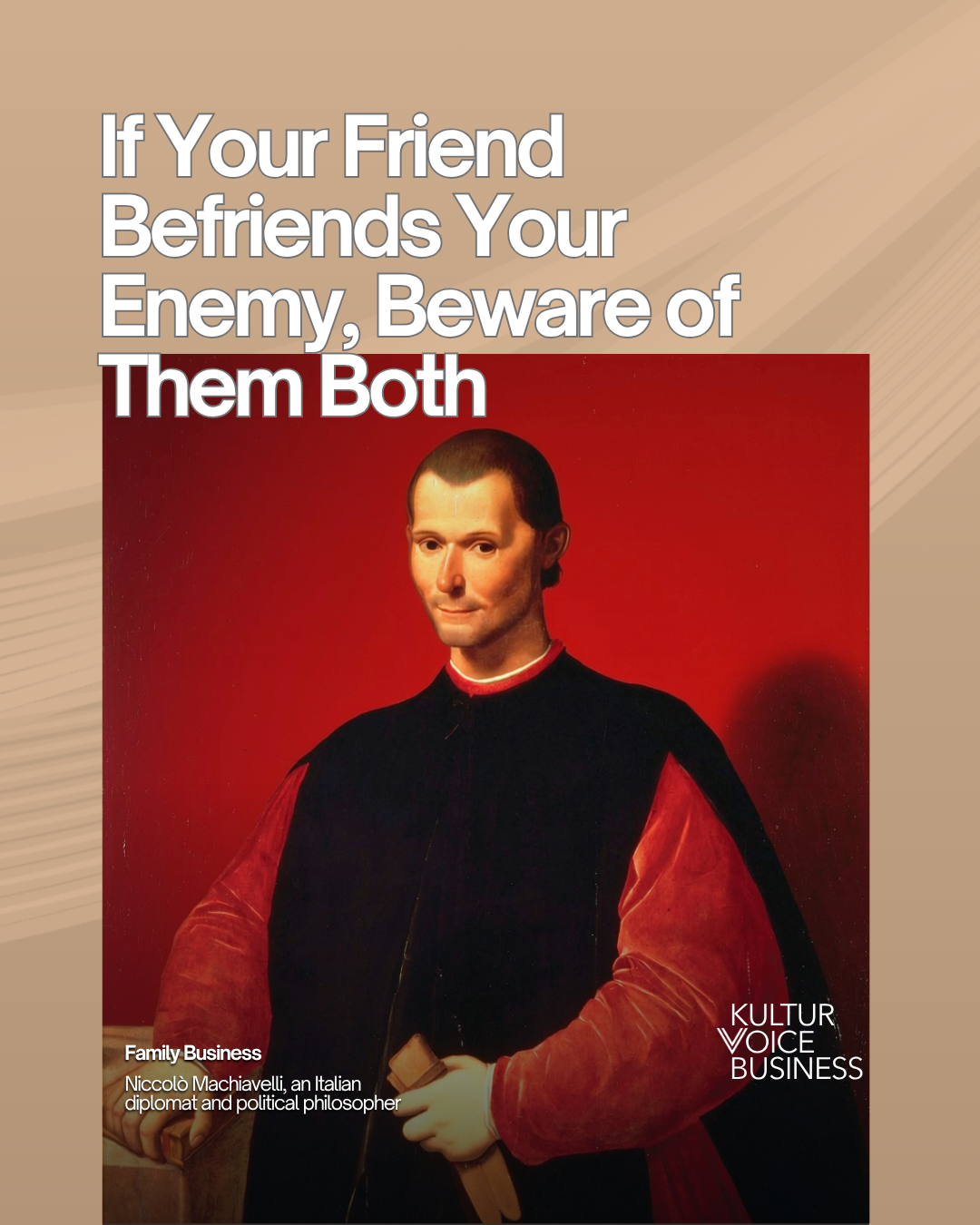
If Your Friend Befriends Your Enemy, Beware of Them Both

In family business governance, personal relationships frequently overlap with commercial strategy. The proverb, “If you see your friend with your enemy, realize that both are your enemies”, captures the essence of political realism popularized by Niccolò Machiavelli in his masterpiece, The Prince (Il Principe). While Machiavelli wrote for sixteenth-century rulers, his insights on power dynamics, […]

Read More

KPMG 2026: The Future of Family Business

The KPMG Global Family Business Report 2026, titled “Facing into the future, confident yet cautious”, gathers perspectives from nearly 2,000 family and founder-led business leaders across 41 countries. The report paints a picture of a resilient global sector standing at a critical juncture: while long-term strategic confidence remains intact, compounding economic friction and technological acceleration […]

Read More

5 Chinese Books for Family Business Strategy

Running a family business requires more than financial knowledge. Leaders must navigate competition, manage relationships, make difficult decisions, and balance business interests with family dynamics. Chinese philosophy offers several timeless works that can provide valuable perspectives for developing these qualities. Here are five books worth reading for anyone seeking to become a stronger family business […]

Read More
Language
Kultur Voice Business - Content, Production & Public Relations Agency, gighub.id freelance platform, family business channel