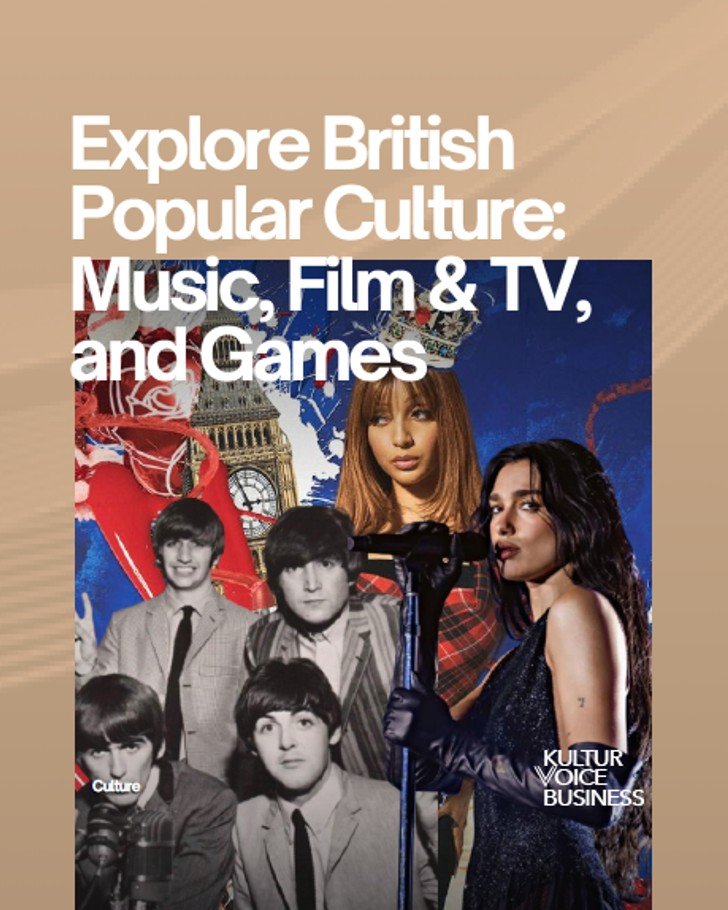

From the infectious hooks of Britpop to cinematic blockbusters, British popular culture has exerted a global influence far exceeding the geographic size of the United Kingdom. At the heart of this cultural reach is a dynamic entertainment industry driven by world-class talent, a rich tradition of artistic risk-taking, and a robust creative ecosystem.
Historically, music has been one of the UK’s primary cultural exports. The Beatles are regarded as the most influential band in popular music and were integral to the development of 1960s counterculture and the recognition of popular music as an art form. The post-punk and indie movements of the late 20th century birthed foundational acts like The Cure and The Smiths, whose melded dark synth textures and articulate guitar riffs reshaped global alternative music.
Alongside these movements, bands such as Queen, The Police, and Genesis demonstrated the boldness of British musicians to experiment. Their blend of rock, new wave, and progressive rock produced iconic works that expanded the boundaries of creativity and strengthened the influence of British music worldwide.
Building on this rich musical legacy, the 1990s saw the emergence of the Britpop phenomenon, famously defined by the rivalry between Oasis and Blur. Bands like Oasis brought soaring, working-class anthems to massive stadium crowds, while Blur offered sharp, satirical commentary on British life, collectively capturing the national zeitgeist and solidifying the country’s musical dominance.
This musical tradition evolved into the 21st century with global icons such as Dua Lipa, Adele, and Coldplay, whose distinctive artistry and worldwide success reaffirmed Britain’s enduring influence on contemporary music. The success of these artists highlights a recurring theme in British music: an ability to innovate within distinct local subcultures while simultaneously crafting timeless, universal soundscapes that resonate across international borders.
Beyond music, the UK boasts an exceptionally strong creative industry powered by world-class studio infrastructure, tax incentives, and elite creative talent. The film sector remains a global cornerstone, anchored by iconic, long-running franchises like the James Bond film series, which continuously reinvent British elegance and action for new generations.
On the small screen, British television excels at both historical narrative and social commentary; The Crown delivers lavish, intricate accounts of monarchy, while sci-fi anthology Black Mirror offers sharp, cautionary tales on modern technology.
Parallel to film and TV, the UK has established itself as a premier global hub for video games. Blockbuster franchises such as Grand Theft Auto, Tomb Raider, and Forza Horizon (all developed or originated by British studios that is Rockstar North, Core Design, and Playground Games consecutively) demonstrate the nation’s mastery over narrative design, technical engineering, and open-world environments.
Together, these interconnected sectors form a self-sustaining ecosystem where musical, visual, and technical talents collaborate, ensuring Britain remains a major architect of global entertainment.
How does BritPop get sustainable fans globally? The simple answer is Britpop survived because of its strong British cultural narrative, accessible music, and ever-relevant icons. It became a kind of “brand culture” that never died.
Let’s see one by one.
Britpop carries a distinctively British image such as London’s humour, strong British accent, fashionable by casual dress style, strong British accent, and British working-class life.
British bands also have strong characters. The Beatles, Queen, The Police, Oasis, Blur, Suede and others aren’t just bands. They are cultural icons. Strong characters make them memorable and continue to be talked about across generations.
British bands songs are timeless with catchy melody and relatable lyrics. Britpop songs don’t feel “old-fashioned” even though they’ve been around for decades. Imagine today we still remember Bohemian Rhapsody song invented by Queen in the 1970s or Hey Jude by The Beatles that audiences sang during FIFA World Cup 2026.
For Gen X or the 90s generation, Britpop is a symbol of nostalgia. The 90s generation nostalgia for Festival Music, Physical CDs, music magazines, MTV, that keeps Britpop alive through album reissues, reunion concerts, and documentaries.
Internet and streaming algorithms, that Spotify, YouTube, and TikTok make old music “reborn”. Britpop songs often appear in playlist nostalgia, algorithm recommendations, and aesthetic “Britishcore” content that creates a new audience of the younger generation.
Britain has a strong tradition of exporting cultures, from The Beatles, The Rolling Stones, punk, New Wave and Britpop are one phase of the never-stopping British cultural machine.
Which bands are your favourite?
The Beatles were formed in Liverpool in 1960, comprising of John Lennon, Paul McCartney, George Harrison and Ringo Starr. Rooted in skiffle, beat and 1950s rock ‘n’ roll, their sound incorporated elements of classical music and traditional pop in innovative ways. As pioneers in recording, songwriting and artistic presentation, the Beatles revolutionised many aspects of the music industry and were often publicised as leaders of the era’s youth and sociocultural movements.
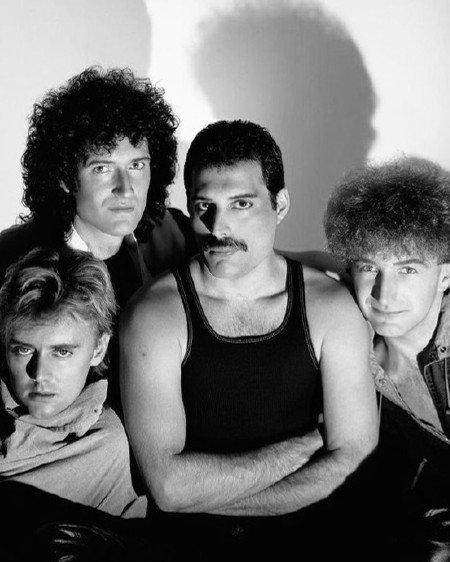 Queen was formed in London in 1970 by Freddie Mercury (lead vocals, piano), Brian May (guitar, vocals), and Roger Taylor (drums, vocals), later joined by John Deacon (bass). Queen’s earliest works were influenced by progressive rock, hard rock and heavy metal, but the band gradually ventured into more conventional and radio-friendly works by incorporating further styles, such as arena rock and pop rock. Some of their legendary songs are Bohemian Rhapsody, We Are the Champion, We Will Rock You, Radio Ga Ga and Another One Bites the Dust.
The Police were formed in London in 1977, with Sting, Stewart Copeland and Andy Summers as the core line-up. The Police became globally popular from the late 1970s to the mid-1980s. The band emerged in the British punk scene and soon expanded into other styles such as new wave, reggae rock, and post-punk. Zenyatta Mondatta (1980) was their breakthrough in the US, reaching number five on the US Billboard 200.
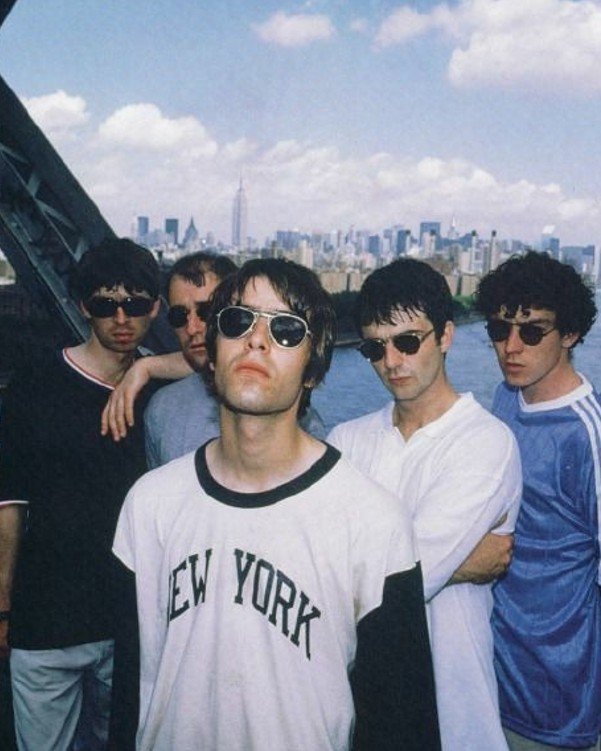 Oasis is formed in Manchester in 1991, initially consisting of Liam Gallagher (lead vocals), Paul “Bonehead” Arthurs (guitar), Paul “Guigsy” McGuigan (bass guitar) and Tony McCarroll (drums). Liam asked his older brother Noel Gallagher (lead guitar, vocals) to join as a fifth member a few months later to finalise their formation. Noel became the de facto leader of the group and took over the songwriting duties for the band’s first four albums. They are regarded as the most globally successful group of the Britpop era and one of the most influential rock bands of all time.
Suede or known as the London Suede in the United States are formed in London in 1989 by singer Brett Anderson, guitarist Justine Frischmann, and bassist Mat Osman. Drawing from glam rock and post-punk, Suede were labelled “The Best New Band in Britain” by Melody Maker in 1992, attracting significant attention from the British music press. The following year, their debut album, Suede, reached number one on the UK Albums Chart, becoming the fastest-selling debut album in nearly a decade. It won the Mercury Music Prize and helped propel Britpop as a musical era, though the band distanced themselves from the label. In 1994, Suede became part of Britpop’s “big four,” alongside Oasis, Blur, and Pulp.
Culture shapes how we live, create, and do business. Kultur Voice Business explores the ideas, traditions, craftsmanship, and communities that inspire everyday living and entrepreneurship. Need support in content production or public relations? Contact KVB at hello@kvb.global .
Latest news from Kultur Voice Business