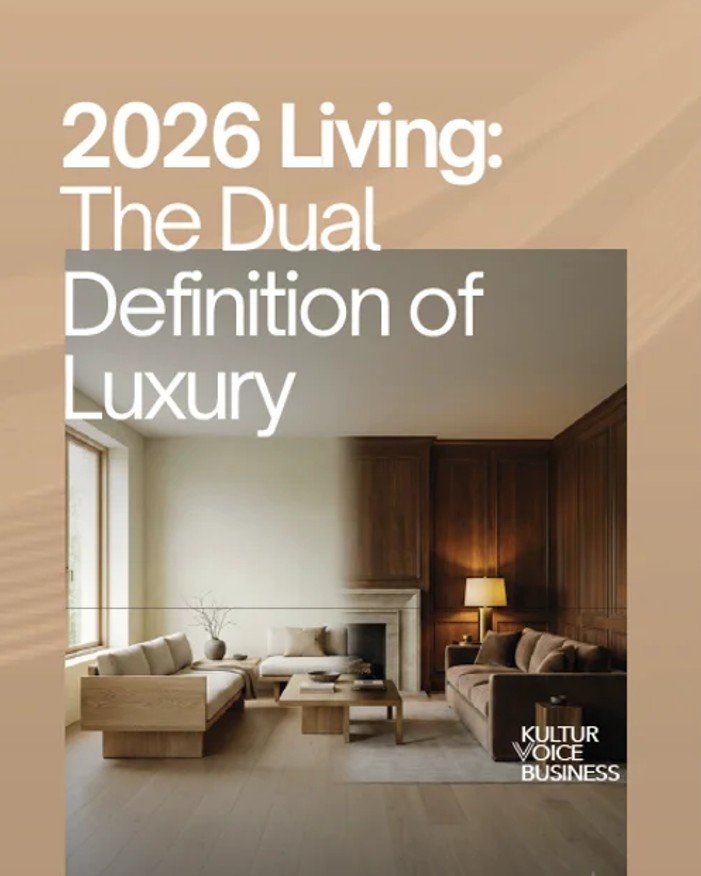

The decoration of luxury homes is heavily influenced by cultural origins, design philosophies, and lifestyle preferences. Two standout styles—Japandi and American elegant styles—offer different approaches to creating living spaces, each with uniqueness and similarities to help homeowners and designers make informed choices.
Japandi décor is a blend of Japanese minimalism and Scandinavian functionality. It emphasizes simplicity, tranquility, and harmony with nature. The luxury aspect comes from the delicate materials, thoughtful workmanship, and a focus on unpretentious elegance. Meanwhile, American elegant décor is often eclectic, blending traditional, modern, and even global elements. It prioritizes comfort, majesty, and personalization, with a tendency toward bold statements, intricate details, and ample space.
Japandi, a harmonious blend of Scandinavian functionality and Japanese wabi-sabi aesthetics, redefines luxury through serenity. By 2026, Japandi’s interiors emphasize a minimalist oasis where the quality of space takes precedence over the quantity of possessions. This style features natural stone and raw wood, creating a serene atmosphere. Touch and texture are at the core — investing in natural materials that age gracefully add a sentimental character to the home. Japandi décor is all about creating a calming and authentic self-reflection, prioritizing personal comfort over mere visual appeal.
Meanwhile, modern American style for 2026 celebrates elegant style with splendor and warmth. The interior features an inviting silhouette of large furniture, a rich blend of textures, and a heritage-inspired feel. Materials such as pliable leather and warm metal evoke a sense of luxury and stability. This approach to decoration is designed for maximum comfort on a large scale, making the home a welcoming retreat. American style encourages investment in high-quality, durable materials that develop a unique character over time, blending tradition with modern comfort.
Another uniqueness is the color palette that Japandi features neutral tones such as soft white, gray, beige, and muted earth colors. Japandi accents are subtle, creating a calm and cohesive environment, while American luxury offers rich, deep colors (navy, emerald, gold) to fresh whites and dramatic contrasts. While Japandi uses natural materials such as light wood (oak, bamboo), linen, wool, and stone with soft, tactile, and organic textures that accentuate a sense of tranquility, American luxury materials are diverse such as hardwood, marble, leather, velvet, crystal, and metal.
Let’s read more about the furniture and layout aspects.
Japandi has a functional, neat profile with open space and minimal ornamentation. American luxury tends to be larger and more decorative, with entertaining designs and statement pieces like grand sofas and elaborate dining tables as the focus of comfort.
Overall, Japandi offers tranquility, calm, and down-to-earth; the environment encourages mindfulness and relaxation, while American luxury offers vibrancy, dynamic, and impressive; This space is designed to make a statement and reflect success and individuality.
The choice between them ultimately depends on the individual’s preference for atmosphere, functionality, and cultural aesthetics.
Whether you’re interested in the serene Japandi minimalism or the luxurious comforts of Modern American, 2026 is all about the thrill of touch and authentic expression. The house moves beyond the perfection of the showroom to be an authentic reflection of personal identity. The key to true luxury lies in adjusting comfort to the highest standards, with an interior that feels uniquely “home” to you.
Great living is built from intentional choices— what you watch, wear, read, and practice. If you value thoughtful lifestyle and cultural insights, explore more on KVB.global. Share this article with someone who would appreciate it and follow Kultur Voice Business or KVB for curated inspiration that actually adds value.
Latest news from Kultur Voice Business