
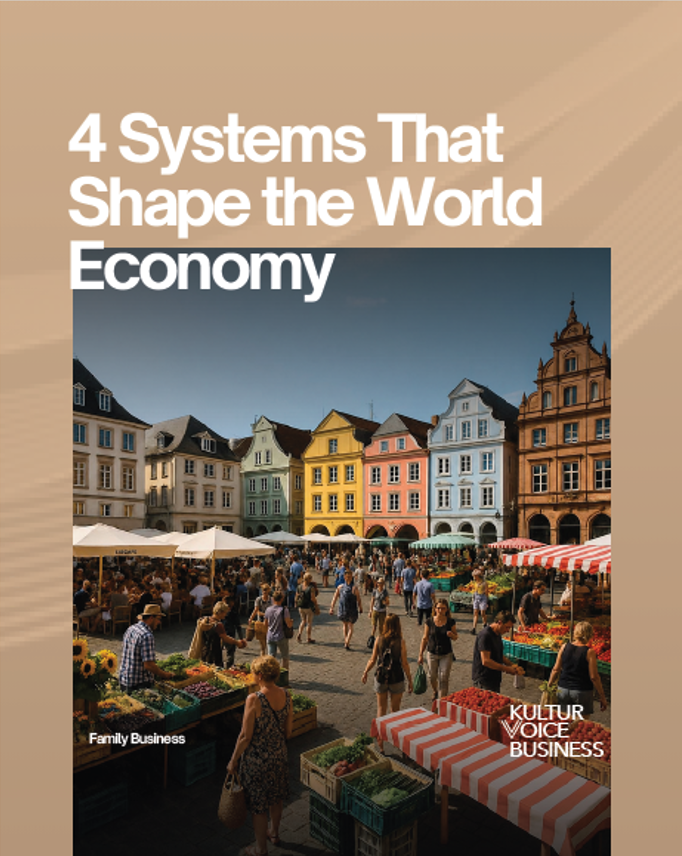

An economy is a system that determines how resources, goods, and services are produced, distributed, and consumed within a society. Every country has an economic system that influences how businesses operate, how governments make decisions, and how individuals access products and services. There are four main types of economies: traditional, command, market, and mixed economies. Each type has its own approach to answering the fundamental economic questions of what to produce, how to produce it, and who receives the goods and services.
A traditional economy is the oldest type of economic system and is based on customs, beliefs, and practices passed down through generations. In this system, communities rely heavily on agriculture, hunting, fishing, and handmade production. Economic decisions are often influenced by cultural traditions rather than modern technologies or market forces. Although traditional economies can preserve cultural heritage and maintain strong community connections, they may face challenges such as limited economic growth and fewer opportunities for innovation.
A command economy is a system where the government has significant control over economic decisions. The state determines what goods are produced, how resources are allocated, and how products are distributed. This approach allows governments to quickly direct resources toward national priorities and maintain control over essential industries. However, command economies may experience difficulties such as reduced competition, limited consumer choices, and less motivation for businesses to innovate, resulting in low growth of an economy.
In contrast, a market economy is driven primarily by supply and demand. Individuals and businesses make decisions based on consumer preferences and market conditions, with minimal government intervention. Competition encourages companies to improve products, reduce costs, and introduce new ideas. While market economies can promote innovation and economic growth, they may also create challenges such as income inequality and market instability.
Most countries today operate under a mixed economy, which combines elements of both market and command systems. In a mixed economy, private businesses are allowed to operate and compete, while the government provides regulations, public services, and support to address economic issues. This balance aims to encourage innovation while protecting public interests and maintaining economic stability.
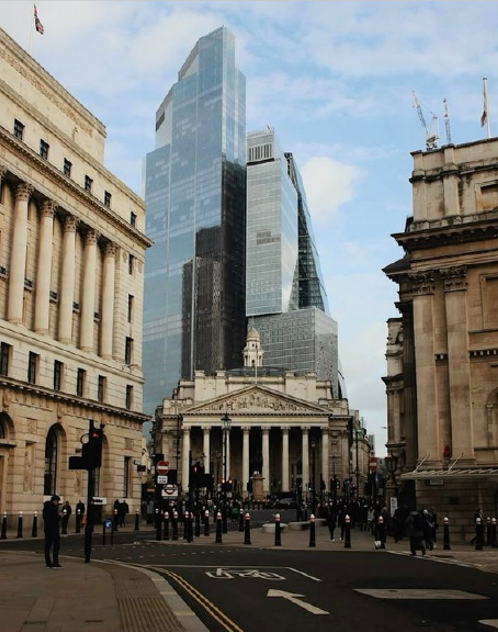 Understanding these four types of economies helps explain why countries develop different approaches to managing resources and creating opportunities. Although each system has advantages and limitations, many modern economies continue to adapt by combining different economic principles to meet the needs of their societies.
If you have control to design, which economy system you favour? If you are a business owner, which system that you prefer for your company and market growth?
If this perspective sparked a new idea for how you lead, build, or live, explore more stories on Kultur Voice Business or KVB.global — where global perspectives meet local living. Keep the conversation going by sharing this article with a colleague or friend and browse related posts to deepen your next decision.
Latest news from Kultur Voice Business
zimerov ertover 13 Aug 2026
obviously like your website but you need to check the spelling on quite a few of your posts. A number of them are rife with spelling issues and I find it very troublesome to tell the truth nevertheless I will definitely come back again.