
Imagine everyday you listen to the sound of the forest of Amazon when visiting Tampobata National Reserve or Reserva Nacional Tambopata that protect communities.
Tambopata is part of the Peruvian Amazon Basin which is part of the largest forest in the world. The forest is spread over about 1.7 billion hectares (688 million hectares) and stretches through Brazil, Peru, Colombia, Venezuela, Ecuador, Bolivia, Guyana, Suriname, and French Guiana. The source of the Amazon River is in Peru.
The Amazon Basin, one of the most biodiverse regions on earth, is more than just a vast expanse of rainforest and is home to hundreds of indigenous communities, each with their own history, language, and connection to the land. These people are not just forest dwellers; They are his original servants. Want to know what to do in Tambopata, Peru’s Amazon Basin and how to get to one of the most unique places in the world? What are the benefits of walking in the forest?
Walk in the forest
We can walk in the forest while learning about the richness of flora in Tambopata. One of the ones that the author studied and encountered was the Pona tree or Socratea exorrhiza, which is native to South and Central America. The roots of the pona tree are unique as if they shift every year.
Walking through part of the Amazon rainforest gives us a sense of happiness when we walk while being careful not to step on ants, other fauna worms that pass our tracks, where we take care of and appreciate the life of every creature in the ecosystem. We also enjoy the sunlight that penetrates between the leaves, and hear the typical sounds of the forest, namely the animals that inhabit the forest.
Down the river in a canoe
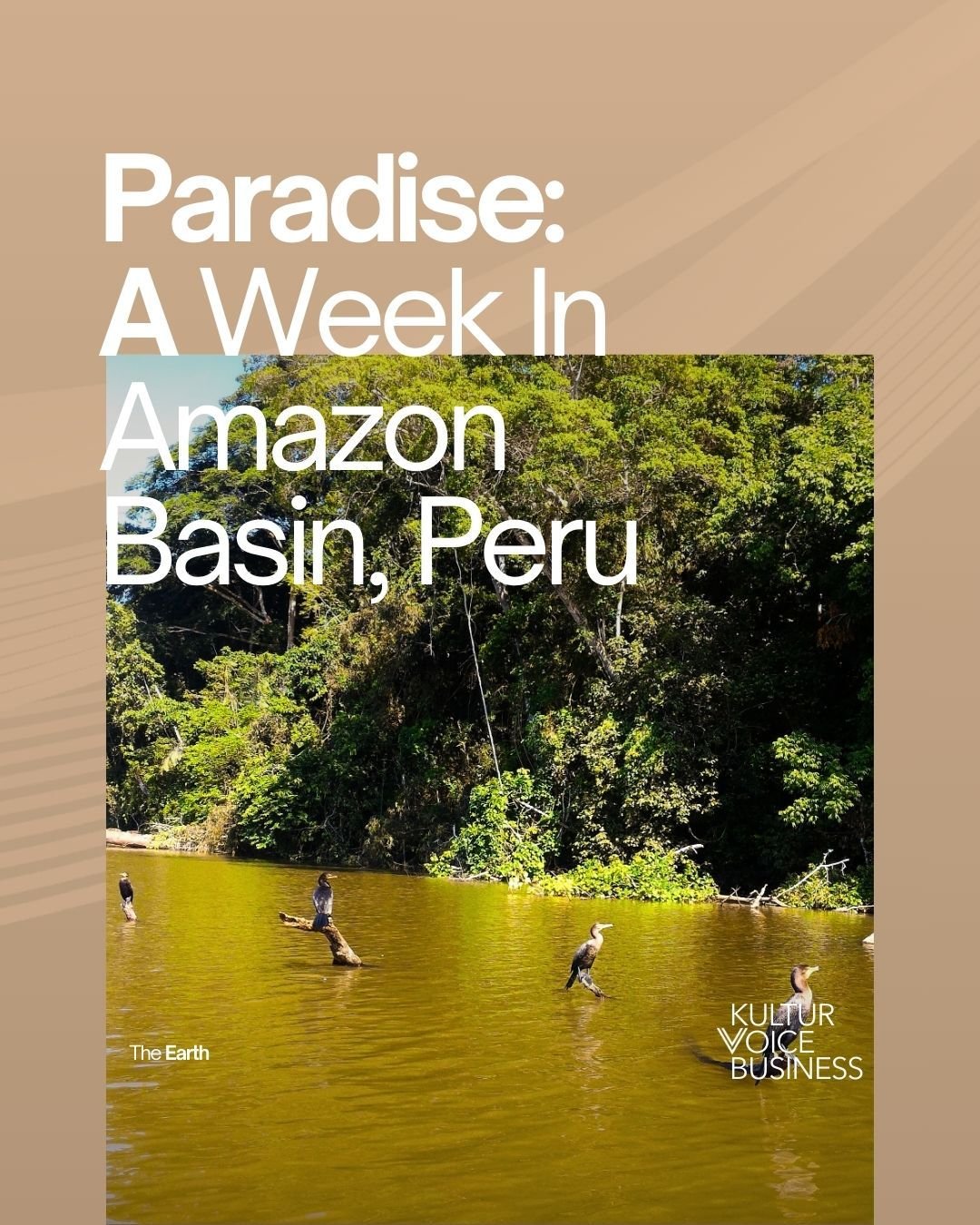
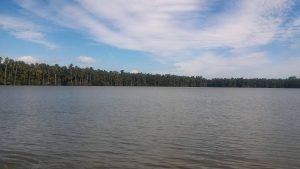
Riding a canoe in the morning and looking at the trees and various fauna that live freely with their habits in the river ecosystem is a happiness in itself. Birds roosting in a tree or tree indicates that we coexist with them. In a small canoe, we can see a small river and end in a vast river that gives life and realize how small humans are.
Getting to Know Indigenous Culture
Meeting the indigenous community of Tambopata in Madre de Dios, Peru provides an understanding of the ancestral life of the region, where there are rich traditions, deep-rooted knowledge of nature, and history shaped by migration, colonization, and resilience, the indigenous peoples of the Amazon are essential to the soul of the rainforest.
The indigenous peoples there are the Harakmbut, Machiguenga, Piro, and Ese’eja, the guardians of the Amazon. The Ese’eja, whose ancestral lands are centered in the middle of the Tambopata Nature Reserve, are one of the most documented Indigenous groups of the Amazon. Descendants of the Tacana people of Bolivia, the Ese’eja maintain a unique blend of patriarchal and matriarchal traditions. A well-known cultural practice involves maternal grandparents adopting the first two grandchildren—a tradition that helped preserve their lineage during the population decline of the 20th century.
Like many indigenous groups of the Amazon, the Ese’eja diet is centered around cassava, a native root plant known for its high calorie content and ease of cultivation. Despite historical challenges, this community remains resilient and culturally vibrant.
Cultural experiences also include Chuchuhuasi and Ayahuasca Ceremonies guided by trained ayahuasqueros (shamans) and with sacred rituals serving a mixture of two Amazon plants—Banisteriopsis caapi and Psychotria viridis—resulting in a powerful hallucinogenic drink used to:
- Spiritual healing
- Conflict resolution
- Emotional cleansing
- Traditional medical purposes
The Tambopata region stands at the crossroads of biodiversity, anthropology, and spirituality — making it one of the most exciting tourist destinations in South America, including a growing appreciation for the indigenous Amazons the Guardians of the Rainforest.
Indigenous peoples have knowledge systems developed over thousands of years—botanical medicine, navigation routes, sustainable agricultural practices, and ecosystem management that often outperform modern scientific approaches. Many pharmaceutical inventions today trace their roots to this ancient wisdom. From curing infections with tree bark to predicting the weather from bird calls, Amazon’s indigenous communities show just how deeply nature and culture are intertwined.
What must always be remembered when we visit and meet the community is respect or visit with respect. Travelers looking for meaningful experiences, indigenous-led tours and community visits offer the opportunity to learn firsthand from an Amazon guide. These experiences often include walks in the woods, craft demonstrations, traditional foods, and storytelling sessions. Respect is key: these communities are not tourist attractions—they are a living culture worthy of dignity, fair compensation, and approval.
Wouldn’t it be nice to learn about the diversity of society and know how those in each hemisphere protect nature in their own way?
Let’s also not forget that nature walks are beneficial for our health and well-being for several reasons:
- Reduce stress. Listening to birdsong and observing animals in nature improves mood and reduces fatigue. The natural scent of wood and plants has a calming effect and seeing nature reduces mental fatigue.
- Stronger. Exercising in nature has greater benefits than doing the same activity indoors. We tend to repeat being physically active when exercise is done in a natural environment. Communities that are closer to nature are more likely to have stronger bonds with their community members.
- Healthier. Walking in nature reduces inflammation and boosts our immune system, which reduces the risk of disease. Interacting with green spaces increases social interaction that can prevent diseases such as dementia.
- Happier. 5 minutes of walking in nature improves mood, self-esteem and relaxation. Frequent exposure to nature reduces anxiety and depression, while also increasing a sense of well-being and satisfaction.
- More productive. The mental recovery and attention achieved from walking in nature can improve the performance of tasks at work. Exercising in nature leads to greater health benefits than doing the same activity indoors.
- Understand other communities so that they respect each other.
How do I get to Tambopata Amazon Basin?
There are various ways to get to Tambopata from Lima, the capital of Peru. The author chose to go by air, while watching the majestic Andes mountains from the top of the plane.
The most common way by air to reach the Tambopata Nature Reserve is through Jorge Chavez International Airport in Lima. From there, we can take a flight to Alejandro Velasco Astete International Airport in Cusco. Once we arrive in Cusco, we will have to take another flight to Puerto Maldonado, the closest town to the nature reserve. From Puerto Maldonado airport, we can arrange land or water transportation to the Tambopata Nature Reserve.
If we take the waterway, we will take a boat to the inn and go down the river while enjoying nature and observing wildlife. The atmosphere once we landed is a bit like Kalimatan, because both are tropical forests.
If you prefer a land adventure, we can reach Puerto Maldonado from Cusco (where Machu Picchu is located) by bus and it will take about 10 hours. Driving a bus or car gives us a unique opportunity to enjoy the Peruvian landscape. Once in Puerto Maldonado, we can arrange additional transportation to reach the nature reserve.
How? Ready to head to the awesome tropical Amazon in Peru and healing in other parts of our planet?
Sustainability is no longer optional—it’s a strategic advantage for those who act early. If this perspective matters to your business or worldview, dive deeper into KVB.global for grounded insights on circular thinking, global shifts, and responsible leadership. Share this with your network and follow Kultur Voice Business or KVB to stay informed on what truly shapes our future.
Latest news from Kultur Voice Business