
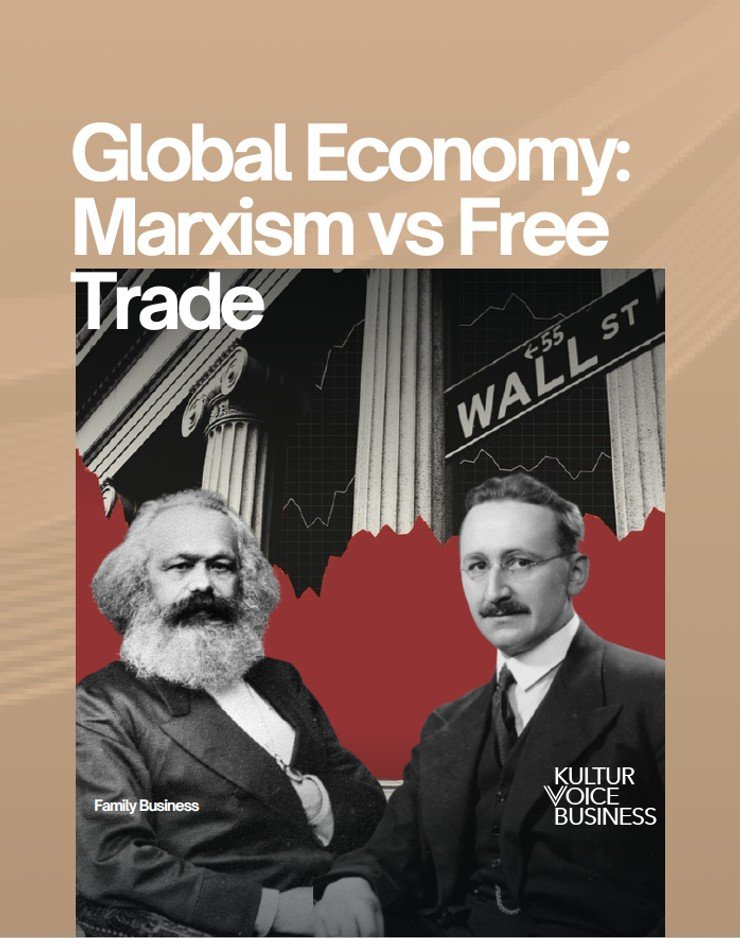

Today capitalism remains the dominant global economic system that even countries governed by communist parties and communism ideas brought by Karl Max such as Vietnam and China have adopted market-oriented economic policies and incorporated elements of capitalism into their economies.
Capitalism has shaped how countries trade, businesses thrive, and societies balance wealth, opportunity, and inequality. Vietnam for example has allowed private enterprise and ownership following Đổi Mới reforms initiated in 1986 and foreign direct investment that is integrated into the global supply chains through manufacturing. Meanwhile China’s key feature economy today includes State-Owned Enterprises as dominant player in strategic industry like energy, telecommunications and finance ensuring government influence over national priorities and there is private sector that contributes 60% of the GDP, 80% of urban employment and 90 % of new jobs, showing the significant role of market forces. These follow economic reforms started in 1978 under Deng Xiaoping.
All these leads to economic theories by Karl Marx and Friedrich Hayek representing two highly influential but opposing perspectives on how economies should function. Marx focused on the problems created by capitalism, while Hayek defended free markets and individual economic freedom. Their ideas continue to shape modern debates about inequality, government intervention, and economic systems.
Marx’s economic theory is primarily based on his critique of capitalism. In works such as Das Kapital, he argued that capitalism depends on the exploitation of workers. According to Marx, workers produce value through their labour, but business owners, or the bourgeoisie, keep most of the profits. This creates class conflict between the wealthy capitalist class and the working class, known as the proletariat. Marx believed that capitalism naturally leads to inequality because wealth becomes concentrated in the hands of a few people while workers receive low wages and poor conditions. He also argued that capitalism would eventually collapse due to its internal contradictions, leading to socialism and eventually a classless communist society.
Another important aspect of Marx’s theory is historical materialism, which explains history as a struggle between social classes driven by economic interests. Marx believed economic structures influence politics, culture, and society. Therefore, changing the economic system would also transform social relations and reduce oppression.
In contrast, Hayek strongly defended capitalism and free-market systems. In The Road to Serfdom, he warned that too much government control over the economy could threaten individual freedom and lead to authoritarianism. Hayek believed markets work efficiently because prices and competition spread information throughout society. Instead of central planning, individuals should make economic decisions freely because no government can fully understand the needs and preferences of millions of people.
While Marx saw capitalism as exploitative and unstable, Hayek viewed it as the best system for encouraging innovation, freedom, and prosperity. Marx supported collective ownership and economic planning, whereas Hayek believed government intervention should remain limited. However, both thinkers shared concerns about power concentration. Marx feared the power of capitalists, while Hayek feared the power of governments.
Overall, Marx and Hayek provide contrasting visions of economic organization. Marx emphasized equality and social justice through collective control, while Hayek prioritized liberty and market efficiency. Their theories remain relevant today as societies continue debating the balance between economic freedom and social equality.
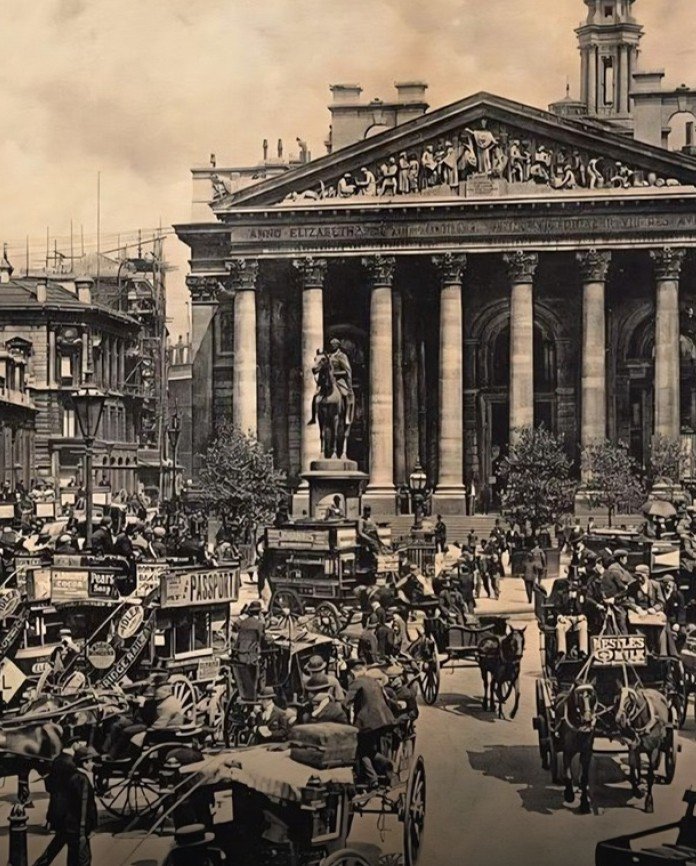 Karl Marx (1818–1883) was a German philosopher and economist who profoundly shaped the modern world with his critiques of capitalism. Co-author of The Communist Manifesto (1848) and author of Das Kapital (1867), Marx viewed history through the lens of class struggle, arguing that capitalism inherently exploits the working class (proletariat) for the benefit of the ruling class (bourgeoisie). His theories on labor, alienation, and historical materialism laid the foundational framework for modern socialism, communism, and sociology.
Friedrich Hayek (1899–1992) was an Austrian British economist, philosopher, and 1974 Nobel laureate who stood as one of the twentieth century’s most influential defenders of free-market capitalism. In his landmark book The Road to Serfdom (1944), Hayek argued that central economic planning inevitably erodes personal liberty and leads to totalitarianism. He pioneered the concept of the “local knowledge problem,” asserting that decentralized market prices are the only efficient way to communicate and allocate complex, scattered economic data.
Global shifts don’t wait—and those who understand them early gain the advantage. If you want sharper perspective on trade, geopolitics, and regional dynamics, explore more on KVB.global. Share this insight with your team and follow Kultur Voice Business or KVB to stay strategically informed.
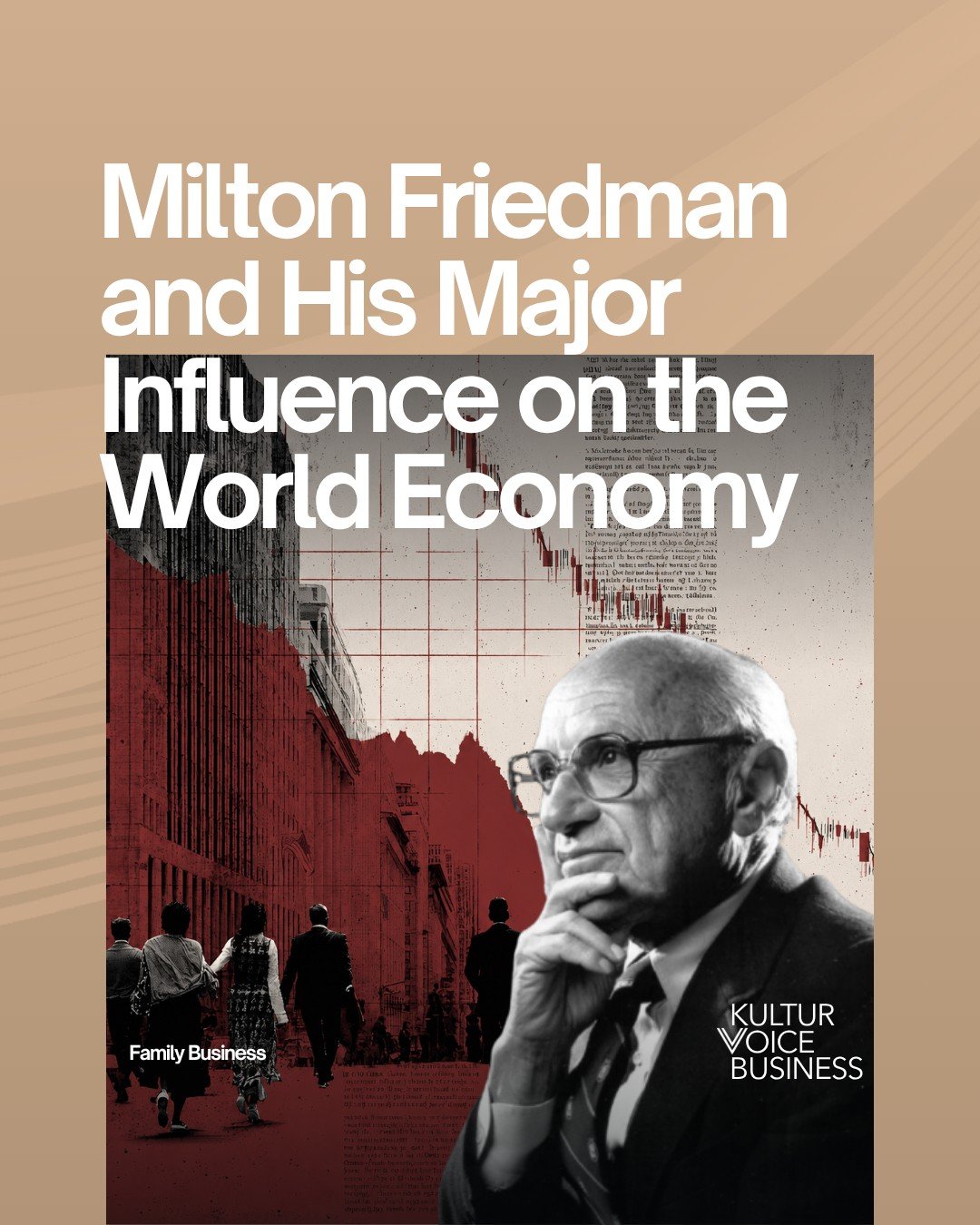
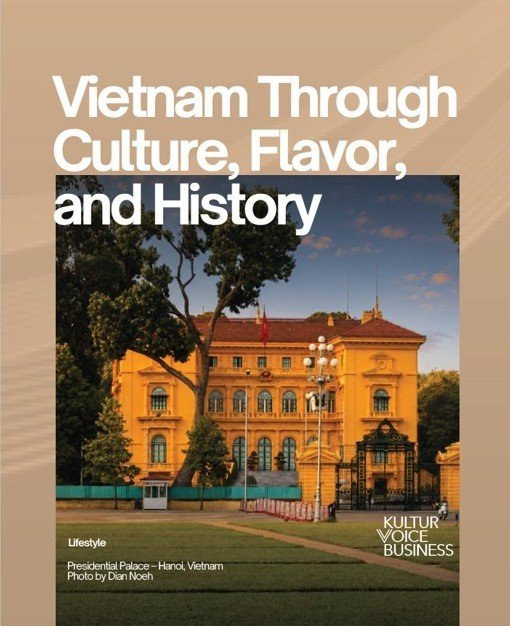
Latest news from Kultur Voice Business
zimerov ertover 12 Aug 2026
Loving the information on this website , you have done outstanding job on the content.
buy traffic 18 Aug 2026
As a Newbie, I am permanently searching online for articles that can aid me. Thank you
wp backlinks 4 Oct 2026
I actually wanted to send a message in order to express gratitude to you for some of the pleasant tricks you are showing here. My time-consuming internet investigation has at the end of the day been honored with brilliant know-how to talk about with my family. I would admit that many of us visitors are quite lucky to dwell in a notable network with so many outstanding people with very beneficial techniques. I feel truly blessed to have used your webpages and look forward to tons of more entertaining moments reading here. Thank you once again for a lot of things.