
The FIFA World Cup is more than a global football tournament; it is a celebration of national identity, culture, and shared passion. Every four years, millions of fans gather to support their teams, transforming stadiums and cities into vibrant displays of colors, music, traditions, and national pride. At the FIFA World Cup 2026, countries once again showcase that football is not only about competition, but also about expressing the unique stories and cultures behind every team.
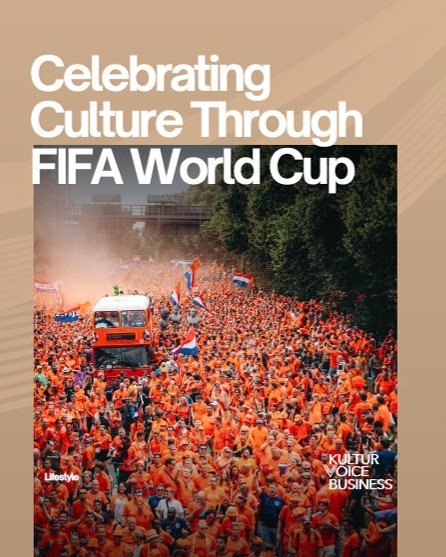
The Netherlands is one of the most recognizable examples of cultural expression in football. Known for its iconic “Oranje” spirit, Dutch supporters turn tournaments into a sea of orange through jerseys, costumes, decorations, and fan celebrations. The color represents more than the national team; it reflects Dutch heritage and unity. Through music, community gatherings, and passionate support, the Netherlands demonstrates how a simple color can become a powerful symbol of national identity.
Similarly, Brazil brings its famous Canarinho pride to the world stage. The country’s yellow and green colors represent more than football — they reflect Brazil’s vibrant culture, from samba rhythms and carnival celebrations to the joy and creativity associated with Brazilian life. During the World Cup, Brazilian fans transform public spaces into celebrations filled with music, dancing, and a strong sense of community.
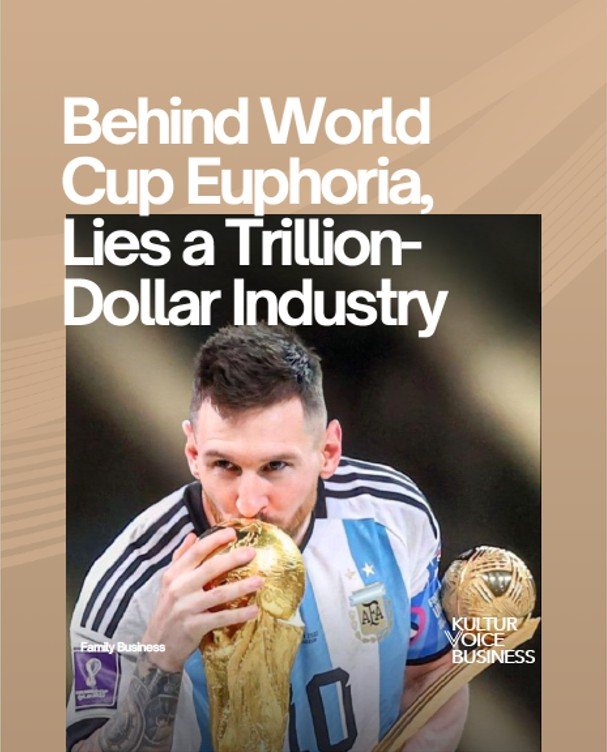
Argentina’s football culture is equally defined by emotion and tradition. Supporters of the Albiceleste proudly wear sky blue and white, creating a visual representation of national unity. Through passionate chants, flags, and gatherings, Argentine fans show how football connects generations and becomes a meaningful part of the country’s cultural identity.
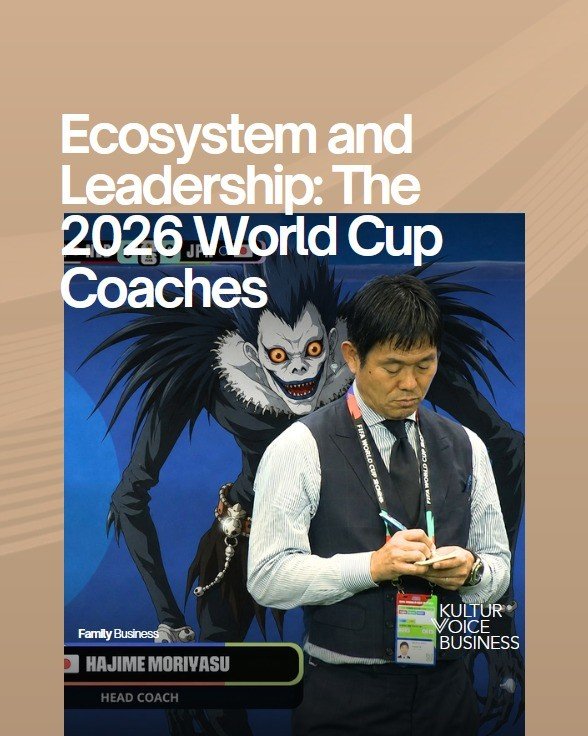
Japan offers a different but equally distinctive approach through its “Samurai Blue” identity. Beyond the blue jerseys, Japanese supporters are known for their discipline, respect, and organized celebrations. Their actions, including maintaining clean stadium environments and supporting their team with coordinated chants, reflect cultural values that extend beyond the football pitch.
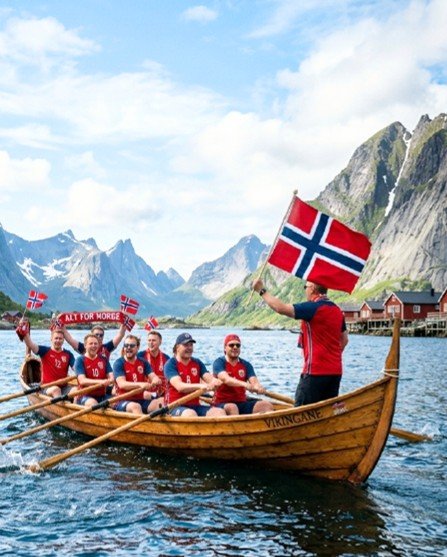
Other nations also bring their own unique expressions of pride. Croatia’s red-and-white checkerboard pattern reflects its national heritage, while Mexico’s El Tri celebrations combine football with traditional music, cuisine, and hospitality. Germany’s black, red, and gold colors unite supporters through a shared national symbol. Norway celebrates its Viking heritage through unique supporter expressions, from powerful chants and themed costumes to rowing-inspired gestures that reflect its maritime roots. These traditions highlight the country’s historic connection to the sea while bringing its cultural identity into the modern football arena.
The FIFA World Cup 2026 serves as a global cultural stage where every nation tells its story. We learn that through colors, traditions, music, and celebrations, football becomes a universal language that connects people across borders and highlights the diversity that makes the tournament truly special.
The FIFA World Cup 2026 is the 23rd edition of the tournament and for the first time featuring 48 teams, hosted across three countries: Canada, Mexico and the United States. Some key stadiums are Montreal, Toronto, Vancouver in Canada, Mexico City, Monterrey, Guadalajara in Mexico with the United States hosts in more cities which are Dallas, Los Angeles, Miami, New York / New Jersey, Philadelphia, San Francisco Bay Area, Seattle, Boston, Atlanta, Houston, Kansas City.
Having 48 teams for the first time, the group stage is organized into 12 groups of four team each, with the top two team and eight best third place team advance to the knock out round 32.
 The opening match took place at Mexico City Stadium, and the final will be held at New York / New Jersey Stadium.
The FIFA World Cup is consistently held every four years since its inaugural tournament in 1930, with interruptions in 1942 and 1946 due to the World War II. The First Host and Winner: The tournament was hosted and won by Uruguay in July 1930, after they defeated Argentina 4–2 in the final. The tournament started as an invitational event with just 13 teams. It later expanded to 24 teams, then to 32 teams, and the FIFA World Cup 2026 marks a major milestone as the first edition to feature 48 competing nations. The Women’s World Cups iteration of the tournament is more recent, having been held every four years since 1991.
Great living is built from intentional choices— what you watch, wear, read, and practice. If you value thoughtful lifestyle and cultural insights, explore more on KVB.global. Share this article with someone who would appreciate it and follow Kultur Voice Business or KVB for curated inspiration that actually adds value.
Latest news from Kultur Voice Business