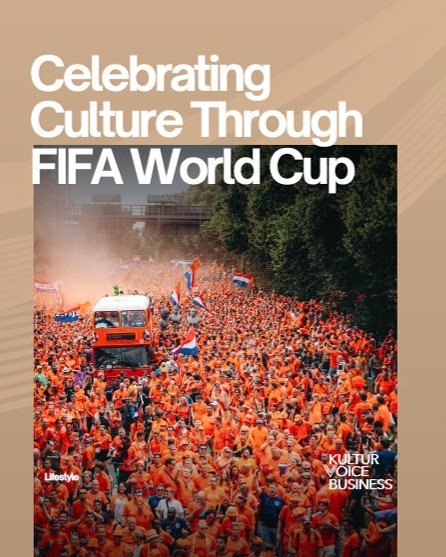

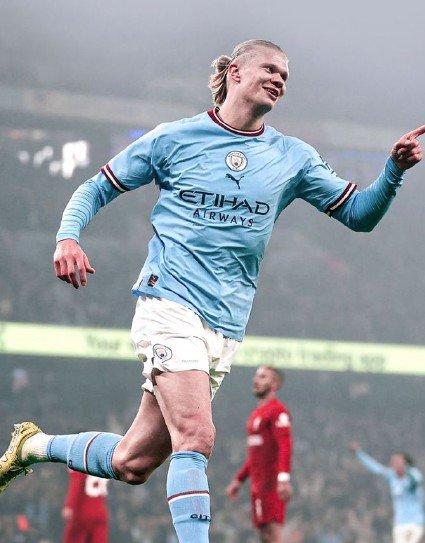
The FIFA World Cup is more than a global football tournament; it represents the intersection of sport, economics, culture, and public policy. Who does not know Messi, Ronaldo, Haaland, Mbape? They have their own craftsmanship in football. Every four years, billions of people around the world come together to watch the competition, creating a powerful platform that extends far beyond the football pitch. According to the World Economic Forum (WEF), sport is expected to become one of the top 10 industries driving global growth by 2030, with the global sports economy projected to reach $8.8 trillion by 2050. The FIFA World Cup plays a significant role in this expanding economic ecosystem by generating opportunities for businesses, communities, and nations.
One of the most visible impacts of the World Cup is its contribution to economic growth. Hosting the tournament often requires major investments in infrastructure, including stadiums, transportation systems, hotels, and digital connectivity. These developments can create jobs, attract tourism, and improve long-term facilities for local communities. Beyond the host country, the tournament also stimulates global industries such as broadcasting, advertising, merchandise, hospitality, and technology. Companies leverage the event to connect with millions of consumers, making the World Cup one of the most valuable marketing platforms in the world.
The World Cup also influences innovation and technological advancement. As highlighted by the World Economic Forum, the future of sports is increasingly shaped by digital transformation, from data analytics and artificial intelligence to immersive viewing experiences. Football tournaments like the FIFA World Cup encourage organizations to adopt new technologies that enhance athlete performance, improve fan engagement, and create new business models. Digital platforms have also expanded access, allowing fans from different regions to participate in the global sporting experience.
Beyond economics, the World Cup has significant social and cultural impacts. The tournament provides an opportunity for countries to showcase their identity, traditions, and values on a global stage. It can strengthen national pride and promote connections between diverse communities through a shared passion for football. However, the event also raises important discussions about sustainability, social responsibility, and the long-term benefits of hosting large-scale sporting events. Ensuring that investments create lasting value remains a key challenge for organizers and governments.
 The FIFA World Cup demonstrates how sport can act as a catalyst for economic development, technological progress, and cultural exchange. As the global sports economy continues to grow, major events like the World Cup will remain influential forces shaping industries and societies around the world.
Craftsmanship reflects discipline, patience, and a commitment to excellence—values that translate across every industry. If you appreciate depth over noise, explore more stories on KVB.global. Share this and follow Kultur Voice Business or KVB for perspectives that celebrate meaningful work.
Latest news from Kultur Voice Business