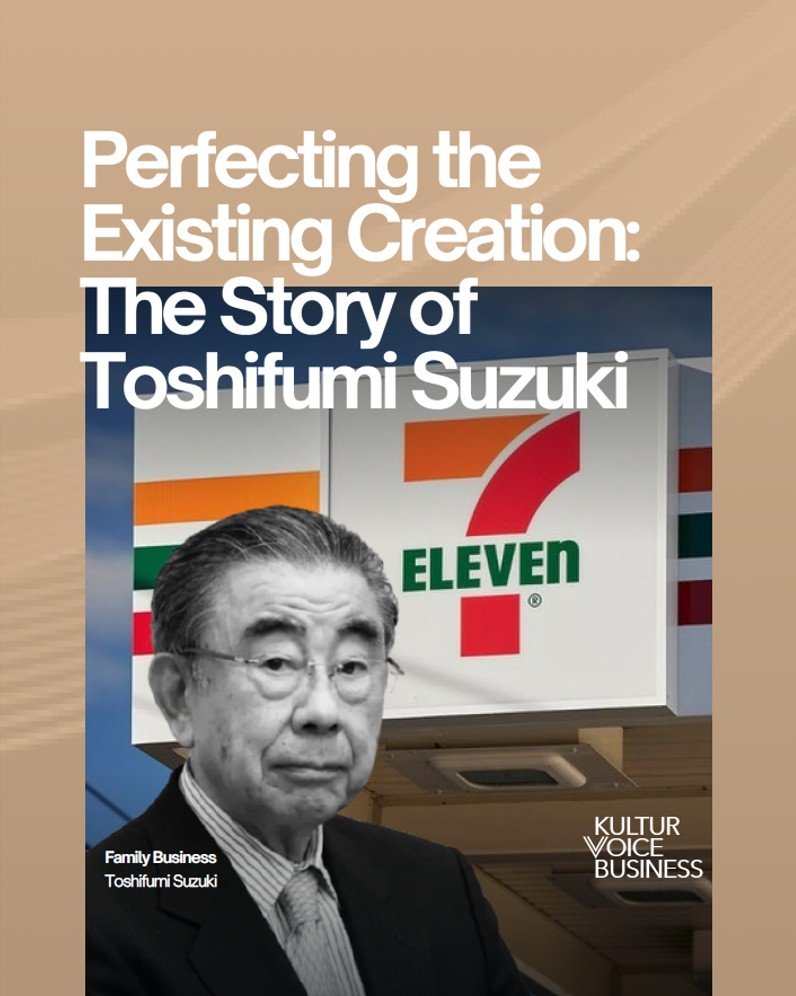

Toshifumi Suzuki was widely recognized as one of the most influential figures in modern retail. Through his innovative leadership and customer-focused approach, he transformed 7-Eleven from an American convenience store concept into one of the most successful retail chains in the world. His contributions not only revolutionized convenience retailing in Japan but also reshaped the global retail industry.
Born on 1 December 1932, in Nagano, Japan, Suzuki began his career at Ito-Yokado, a Japanese retail company. During the early 1970s, he recognized a growing demand for convenient shopping options among Japan’s increasingly urban population. Believing that the American convenience store model could be adapted to meet Japanese consumer needs, Suzuki negotiated a licensing agreement with the U.S.-based 7-Eleven company in 1973. This led to the opening of the first 7-Eleven store in Japan in 1974.
Rather than simply copying the American model, Suzuki carefully tailored the business to local preferences. He introduced data-driven inventory management, ensuring that each store stocked products based on customer demand and purchasing patterns. Stores were frequently restocked, allowing them to offer fresh food and a wide variety of products. This customer-centric strategy helped 7-Eleven Japan stand out from competitors and rapidly expand across the country.
Under Suzuki’s leadership, 7-Eleven Japan became remarkably successful. In a historic move, the Japanese company eventually acquired a majority stake in the original American parent company. This reversed the traditional business relationship and placed Japan at the centre of the brand’s global operations. Suzuki later became Chairman and Chief Executive Officer of Seven & i Holdings, the parent company overseeing 7-Eleven and several other retail businesses.
Suzuki’s management philosophy emphasized innovation, efficiency, and a deep understanding of consumer behavior. He believed that retailers should continuously adapt to changing customer needs rather than rely on past success. His adoption of advanced information systems and real-time sales analysis became a model studied by businesses around the world.
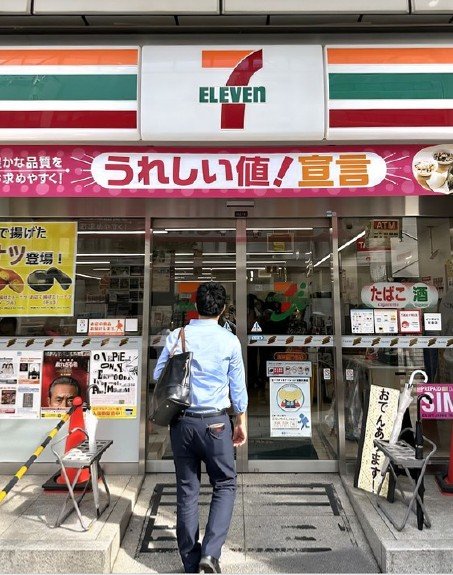 Today, 7-Eleven operates tens of thousands of stores across multiple countries, making it one of the largest convenience store chains globally. Much of this success can be traced back to Toshifumi Suzuki’s vision and leadership. Although Toshifumi Suzuki passed away on May 18, 2026, the lessons he left behind remains as relevant as ever. His remarkable journey demonstrates that true business leadership is not defined by the size of an enterprise, but by the ability to anticipate change, create value for customers, and continuously challenge conventional thinking.
Building a resilient family business requires clarity, discipline, and long-term thinking. If you’re serious about strengthening governance, preparing the next generation, and protecting your legacy, explore more insights on KVB.global. Share this article with your partners or family members and follow Kultur Voice Business or KVB to stay ahead with perspectives that turn complexity into clarity.
Latest news from Kultur Voice Business