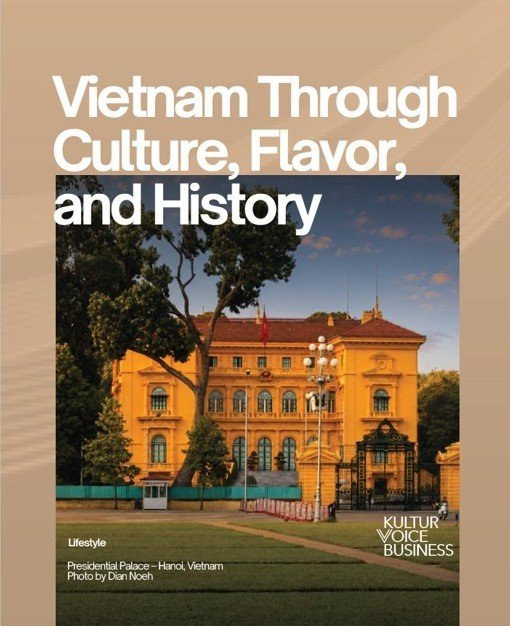

Vietnam is a country that feels alive in every corner. From the buzzing streets of Hanoi to the peaceful waters of Ha Long Bay, the country offers a unique blend of history, culture, and modern growth. What makes Vietnam especially interesting is how it balances its colonial past with its rapidly developing future.
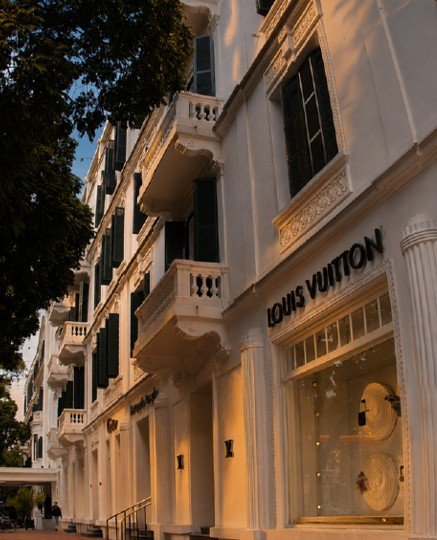
One of the most charming areas in Hanoi is the French Quarter. Unlike the crowded Old Quarter, this neighborhood feels elegant and calm, with wide boulevards, yellow colonial buildings, and cafés that reflect Vietnam’s French influence. Walking through the streets almost feels like stepping into a different era. The architecture remains one of the clearest reminders of French colonization, yet Vietnam has transformed these influences into something uniquely its own.
Vietnam’s transformation became even more visible after Đổi Mới, the economic reform introduced in 1986. The policy shifted the country toward a more market-oriented economy and opened Vietnam to international trade and investment. Since then, Vietnam has experienced rapid economic growth, becoming one of Southeast Asia’s rising economies.
Behind its current developments, Vietnam is also known for its strong fighting power. The long history of war and the struggle to maintain independence shaped the character of Vietnamese society, which is resilient, disciplined and continues to develop to this day.
 In Hanoi, the Hồ Chí Minh Mausoleum stands as one of the country’s most important landmarks. The massive granite structure honors Hồ Chí Minh, the revolutionary leader who played a major role in Vietnam’s independence. Visitors from across the world come to witness this symbolic site, which reflects the nation’s deep respect for its history and leadership.
Ho Chi Minh emerged as the founding father of modern Vietnam by establishing the Communist Party, leading the Viet Minh independence movement against French and Japanese rule, and proclaiming the Democratic Republic of Vietnam in 1945.
His nationalist ambition directly set the stage for the Vietnam War (1955–1975), a brutal Cold War conflict that pitted the communist North, backed by the Soviet Union and China, against the anti-communist South, heavily supported by the United States.
Despite massive US military intervention driven by the anti-communist “Domino Theory”, the North’s resilient guerrilla warfare culminated in the fall of Saigon in 1975, reunifying the nation under a strict one-party socialist republic ruled solely by the Communist Party of Vietnam.
Today, while maintaining rigid political control through a unique “Four Pillars” leadership structure, Vietnam operates under a highly dynamic, market-oriented economy established by the 1986 Đổi Mới reforms, successfully blending communist governance with global capitalism, a complex history that fades into the background as one journeys into the country’s serene natural wonders.
Beyond the cities, Ha Long Bay offers a completely different experience. Famous for its emerald waters and limestone islands, the bay feels almost unreal when viewed from a cruise ship. Many cruises offer simple but comforting meals, including rice and potatoes served alongside fresh seafood, allowing travelers to enjoy local flavors while surrounded by breathtaking scenery.
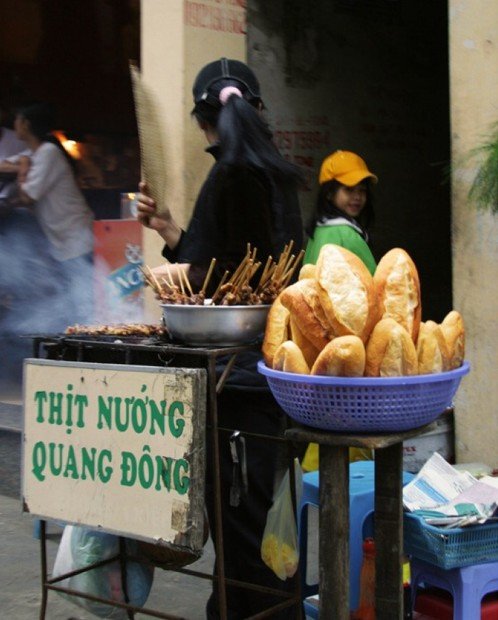
Of course, no trip to Vietnam is complete without trying its street food. One of the most iconic dishes is bánh mì, a crispy French baguette filled with Vietnamese ingredients, sauces, herbs, and meats. The sandwich perfectly represents Vietnam itself — a fusion of French influence and Vietnamese creativity. Whether enjoyed from a roadside cart or a small local café, Vietnam’s street food culture captures the country’s vibrant spirit in every bite.
 Vietnam has also grown rapidly as one of the most promising economies in Southeast Asia since the Đổi Mới reforms in 1986. Today, the manufacturing sector is a key driver of the Vietnamese economy, with many global companies relocating and expanding their production to the country as part of their supply chain diversification beyond China. With competitive production costs, a young workforce, and a strategic location, Vietnam is increasingly playing a key role in global supply chains, particularly in the electronics, textile, and technology industries.
What makes Vietnam particularly remarkable is its ability to modernize rapidly while still preserving its traditions and cultural identity. As the country continues to grow, Vietnam represents not only economic resilience, but also a new generation of Southeast Asian progress that embraces both heritage and innovation.
Great living is built from intentional choices— what you watch, wear, read, and practice. If you value thoughtful lifestyle and cultural insights, explore more on KVB.global. Share this article with someone who would appreciate it and follow Kultur Voice Business or KVB for curated inspiration that actually adds value.
Latest news from Kultur Voice Business