
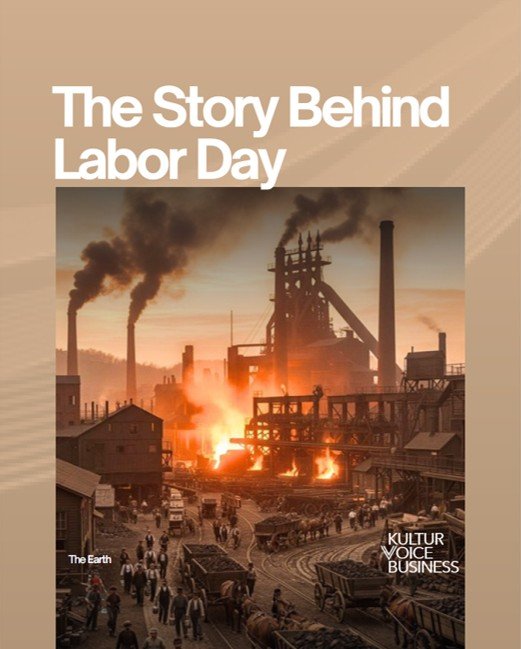

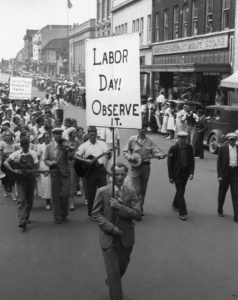
Imagine a world where the sun rises and sets while you remain on the factory floor until one day in May there was a historical change turned into Labor Day celebrated globally. In the 19th century, this was a daily reality for workers.
In the 1800s, especially during the Industrial Revolution, factory workers faced extremely harsh and often dangerous conditions. It was common for men, women, and even children to work 10–16 hours a day, six days a week, with little or no rest, as labor laws and protections were virtually non-existent.
Factories were overcrowded, poorly ventilated, and filled with dangerous machinery lacking safety guards—so injuries such as crushed limbs or worse were not uncommon. With no safety net and no job security, workers were treated as replaceable parts in a vast industrial machine.
But on May 1, 1886, a powerful movement erupted. Hundreds of thousands of American workers went on strike, united by one revolutionary demand: an eight-hour workday. This defiance reached a tragic climax in Haymarket Square, Chicago, where a peaceful protest turned into a violent clash that shook the world. These sacrifices did not go unnoticed. In 1889, the labor movement took hold worldwide, enshrining May 1st as International Workers’ Day.
Today, Labor Day is more than just a paid holiday; it is a memorial to the blood, sweat, and courage of those who resisted exploitation. We honor the history of this struggle and continue the fight for the dignity, fair wages, and respect that every worker deserves. Work defines progress—but how we work defines society. If you care about the future of work and its impact, explore more perspectives on Kultur Voice Business or KVB.global. Share this with your colleagues and follow KVB to stay aligned with meaningful change.
Happy International Labor Day!
Latest news from Kultur Voice Business


zimerovertover 13 Aug 2026
Great work! That is the type of info that are meant to be shared across the net. Disgrace on Google for no longer positioning this publish upper! Come on over and discuss with my site . Thanks =)