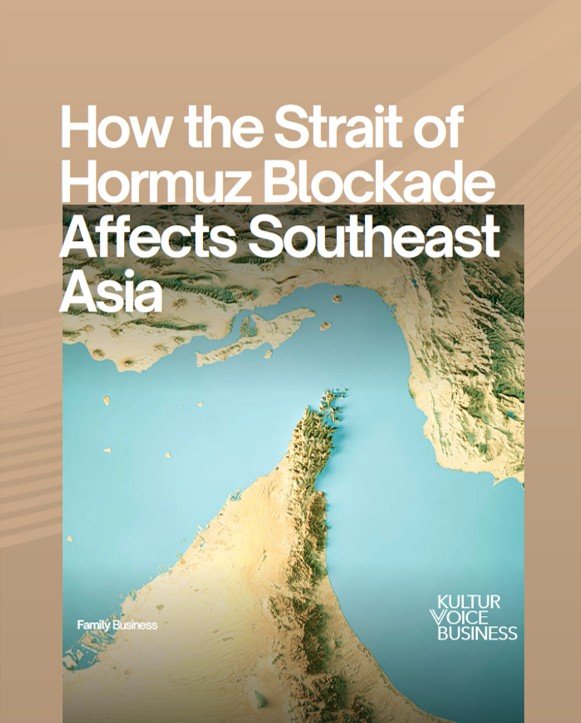

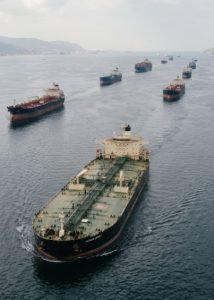
 Following the downfall of peace negotiations between the U.S. and Iran, U.S. Central Command (CENTCOM) reportedly initiated a blockade of Iranian ports in the Hormuz Strait on 13 April 2026, targeting vessels entering and exiting the area. As a result, global oil prices and freight rates have surged due to disruptions in one of the world’s most critical shipping routes.
The effective closure of the Strait of Hormuz has disrupted up to 20% of global oil and liquefied natural gas (LNG) supply. Asia is the hardest-hit region, given its strong dependence on energy imports through this route, with nearly 90% of crude shipments destined for the region. This has led to immediate increases in energy costs across Asia-Pacific.
Beyond energy, the crisis is triggering widespread disruption across industries. Sectors such as high-tech, automotive, chemicals, textiles, and construction are facing shortages of key inputs, rising production costs, and delayed logistics. Shipping reroutes are adding delays and causing congestion at major ports, putting further strain on supply chains and threatening broader manufacturing activity.
The impact also extends to remittances and tourism. Countries including Nepal, Pakistan, Sri Lanka, Bangladesh, India, and the Philippines risk losing vital remittance flows if Gulf economies weaken. Meanwhile, tourism-dependent economies such as Fiji, Maldives, Cambodia, and Thailand are experiencing declining demand due to rising travel costs and disrupted routes.
At a macro level, rising energy and trade costs are driving inflation higher while slowing economic growth across Asia-Pacific. Financial markets are also showing signs of uncertainty, with stock declines and increased volatility reflecting investor concerns about prolonged disruption.
The blockade has already affected global markets, with Asian stock indexes posting modest declines, including Japan’s Nikkei and South Korea’s Kospi, while U.S. stock futures fell by more than 1%. Broader market dips were also recorded across major financial hubs such as Hong Kong, Sydney, Mumbai, Singapore, Taipei, and Jakarta.
Southeast Asia is being hit particularly hard due to its heavy reliance on imported oil and gas. Governments across the region are implementing measures such as fuel rationing, subsidies, price caps, and remote work policies to manage rising costs and potential shortages.
Countries like Indonesia, Thailand, and the Philippines are taking actions — from fuel restrictions and energy partnerships to subsidy programs. However, limited fiscal flexibility makes it more challenging for these economies to cope compared to wealthier nations. If the conflict persists and energy prices remain elevated, the Asian Development Bank warns that economic growth across developing Asia-Pacific could decline significantly, with potential political and social consequences.
Global chokepoints expose hidden risks in every business. If you want to anticipate disruption before it happens, explore more on KVB.global. Share this with your team and follow Kultur Voice Business or KVB to stay resilient.
Latest news from Kultur Voice Business