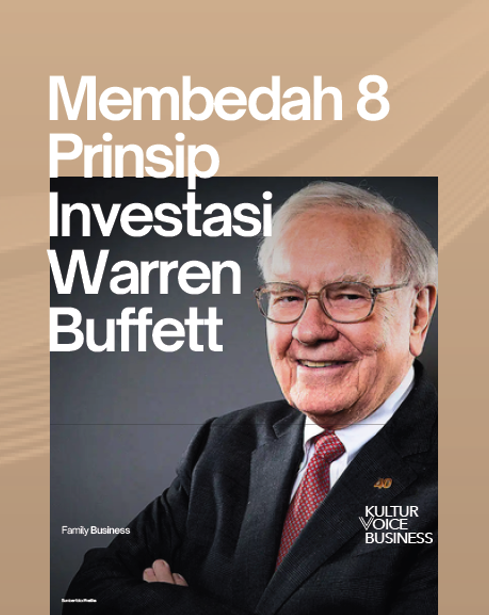

 Started investing at the age of 11, the “Oracle of Omaha” or Warren Buffet transformed a failed textile company, Berkshire Hathaway, into a giant conglomerate worth hundreds of billions of dollars through a disciplined long-term vision. Warren Buffet, who was born on 30 August 1930 in Omaha, Nebraska, was an investor and philanthropist from the United States and is known as the most successful investor in history.
In his childhood, Warren Buffet had shown interest in the business world by selling chewing gum and Coca Cola from house to house. At age 13, after starting buying stocks at age 11, Warren began filing taxes. Warren Buffet graduated from the University of Nebraska in 1950 and took a Master’s at Columbia University and studied under Benjamin Graham, known as The Father of Value Investing.
Buffett began his career and eventually took over Berkshire Hathaway, a textile manufacturing company, in 1965. He turned it into a diversified holding company, focusing on long-term investments in a variety of industries, including insurance, retail, and energy. Under his leadership, Berkshire Hathaway became one of the largest and most successful companies in the world, with shares trading at over USD 750,000 each.
Warren Buffet is known for his emphasis on buying undervalued companies with strong fundamentals. Warren Buffet consistently advocated for a long-term investment strategy and the principles of discipline, risk avoidance and a focus on intrinsic value.
Buffett only invests in businesses with an Economic Moat or a competitive advantage that is difficult for competitors to replicate. He likes simple but dominant business models, such as Coca-Cola and Apple, that guarantee stable cash flow and profit protection.
Despite his immense wealth, Buffett is known for his austerity and commitment to philanthropy, with a focus on education, health, and poverty alleviation. 99% of his wealth is earned after the age of 50, a clear proof of the magic of Compounding Interest. It teaches that in the world of investing, patience and emotional discipline are far more valuable currencies than high IQs.
In December 2025, Buffett announced his resignation as CEO of Berkshire Hathaway, handing over control to Greg Abel. However, he plans to remain involved in an advisory capacity. Buffett’s legacy as a pioneer in investing and philanthropy continues to inspire many people around the world.
Here are the fundamental principles of Warren Buffet for us to learn.
1. Invest in what you understand: Stay within your circle of competencies and avoid companies with complex or less clear business models.
2. Focus on Long-Term Value: Buy a business, not a stock, and have a minimum ten-year ownership period.
3. Quality and Trenches: Look for companies with long-lasting competitive advantages (“trenches”) that protect them from competitors.
4. The 90/10 rule: For most investors, Buffett recommends placing 90% of assets in low-cost S&P 500 index funds and 10% in short-term government bonds.
5. Be Afraid When Others Are Greedy: Avoid market mania (FOMO) and, instead, follow up on opportunities to buy quality stocks at a discount when others panic.
6. Don’t Time the Market: Invest consistently rather than trying to predict the next market move.
7. “Never Lose Money”: Prioritize capital preservation and manage risk aggressively, ensuring a safe “safety margin” in your purchases.
8. Invest in Yourself: Buffett has described self-development and education as “the best investment so far” because it is neither taxable nor raised.
What you can apply:
1. Think Long-Term: Only buy stocks that you will be comfortable holding for a decade.
2. Keep Costs Low: Avoid high-cost funds and complicated strategies and high turnover.
3. Stay Disciplined: Emotional control is more important than pure intelligence in successful investments.
How your investments so far? Building a resilient investments and family business requires clarity, discipline, and long-term thinking. If you’re serious about strengthening governance, preparing the next generation, and protecting your legacy, explore more insights on KVB.global. Share this article with your partners or family members and follow Kultur Voice Business or KVB to stay ahead with perspectives that turn complexity into clarity.
Latest news from Kultur Voice Business