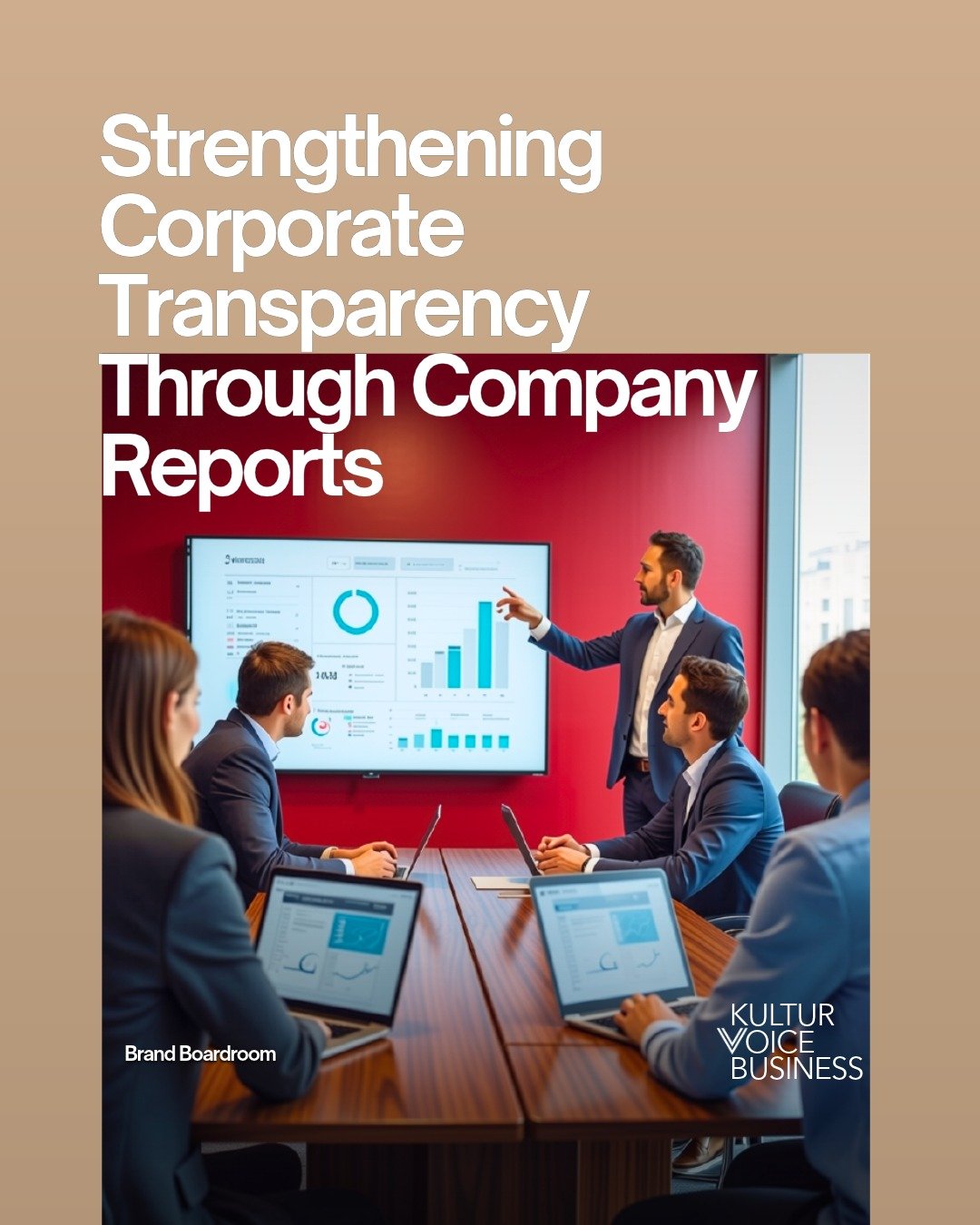

Transparency has become an important part of how organisations build trust with investors, employees, business partners, and other stakeholders. Beyond communicating business achievements, companies are increasingly expected to provide a clearer picture of their performance, decisions, and long-term direction.
Company reports play an important role in this process. Whether through annual reports, sustainability reports, or other corporate publications, these documents provide a structured way to communicate business information and demonstrate accountability.
However, reporting is not simply about presenting figures and achievements. It is about helping stakeholders understand what the information means and how it reflects the organisation’s broader objectives.
Why Company Reports Matter for Transparency
Stakeholders need reliable information to understand how a company operates, evaluates its performance, and progresses towards its goals. Well-prepared reports can help bridge the gap between internal business activities and external stakeholder understanding.
Effective company reporting can help organisations:
– Communicate business performance and key milestones
– Demonstrate progress towards strategic objectives
– Explain sustainability commitments and initiatives
– Provide greater visibility into corporate governance
– Strengthen accountability through clear and consistent disclosures
When supported by accurate information and appropriate context, company reports become more than administrative documents. They can serve as important references for stakeholders seeking to understand an organisation’s progress and priorities.
Turning Information Into Meaningful Communication
Even when a company has comprehensive data, communicating it effectively can be challenging. Financial figures, operational updates, and sustainability metrics may be difficult for audiences to interpret without sufficient explanation.
This is where strategic communications becomes important.
Companies need to identify the information that matters most to their stakeholders, present it in an accessible format, and connect individual achievements to a broader corporate narrative.
Clear language, consistent messaging, and well-organised information can make reports easier to navigate and understand. Visual elements, summaries, and supporting explanations can also help communicate complex information without compromising accuracy.
Importantly, transparency requires more than highlighting positive results. Providing appropriate context around challenges, limitations, and areas for improvement can help demonstrate accountability and support a more balanced understanding of business performance.
Building Corporate Credibility Through Consistent Reporting
A company report should not exist in isolation from its wider communications strategy. Its key messages should align with the information shared through corporate websites, media announcements, executive communications, and other relevant channels.
Consistency helps reduce confusion and ensures that stakeholders receive a coherent picture of the organisation. It also allows communications teams to use verified information from corporate reports as a foundation for other communications materials.
A well-defined communications strategy can help organisations determine how to present their findings, prioritise stakeholder needs, and maintain alignment across different channels. Professional communications consulting can support this process by translating complex business information into clear, credible, and purposeful messaging.
For companies looking to strengthen their corporate communications and develop a more effective approach to stakeholder engagement, KVB Global Agency offers communications strategy consulting tailored to their business needs. Feel free to contact us if you have questions by visiting KVB Global Agency or email us at hello@kvb.global.
Latest news from Kultur Voice Business