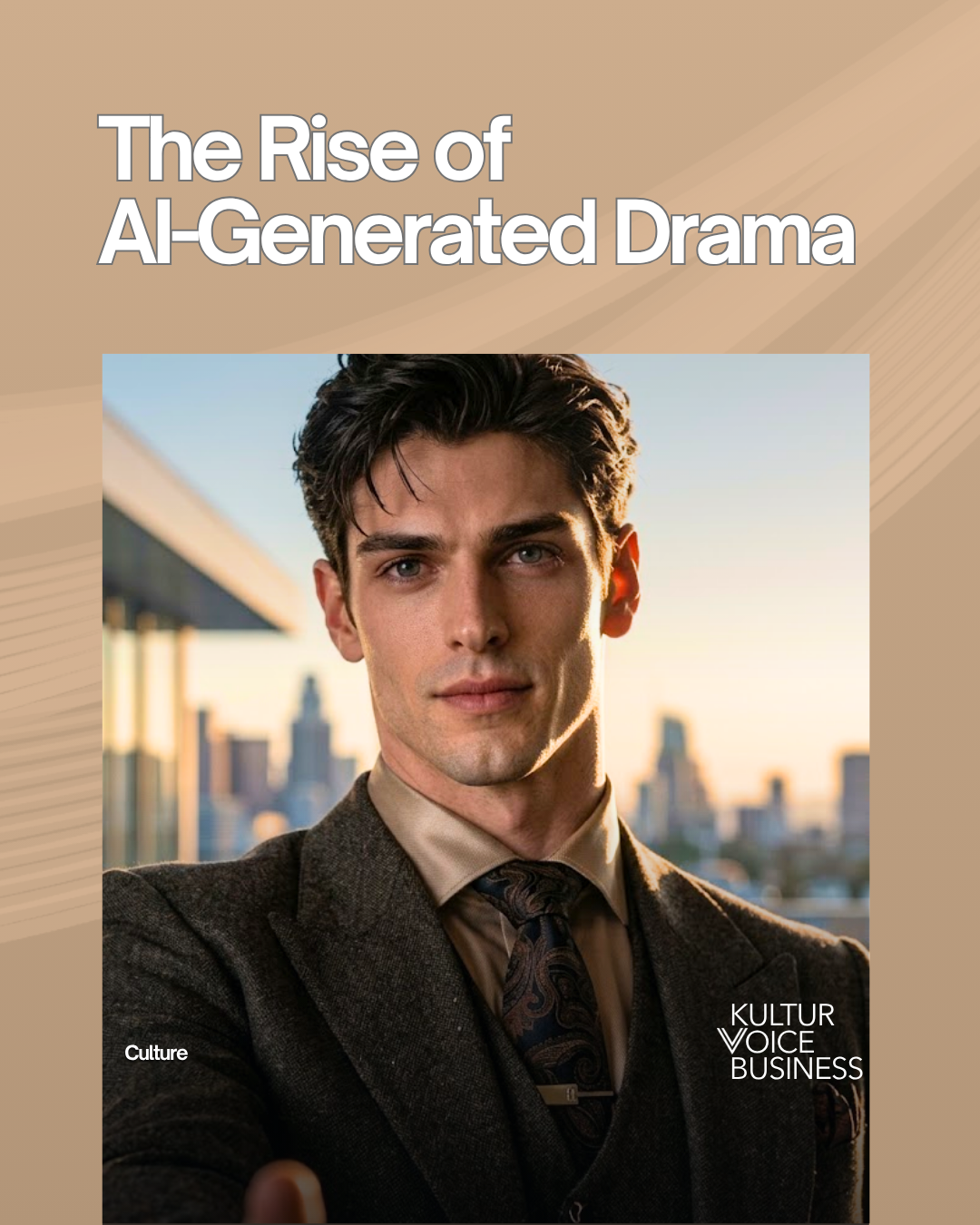

A quiet revolution is reshaping digital entertainment: the rise of AI-generated serial dramas on platforms like TikTok. Combining automated scripting, hyper-realistic text-to-video engines, and synthetic voice actors, independent creators can now write, produce, and publish multi-part cinematic sagas entirely from a laptop. Ranging from melodramatic revenge thrillers to quirky anthropomorphic comedies, these bite-sized, vertical narratives deliver rapid plot twists and cliffhangers tailored for mobile consumption.
At the heart of this phenomenon is TikTok’s recommendation algorithm, which matches specific narrative tropes to individual user preferences. Rather than treating all serial content identically, the algorithm tracks subtle viewer signals such as watch completion time, rewinds, and comment section interactions. A viewer who watches a 60-second clip to its dramatic resolution is instantly grouped into a niche viewer cohort, while someone scrolling away in two seconds instructs the feed to suppress that sub-genre. This algorithmic precision explains why household members sharing the same living space often experience entirely distinct media feeds; one feed delivers high-stakes billionaire romances, while another serves sci-fi thrillers or absurdist memes.
Interestingly, these dramas draw in massive viewership even from people who openly dislike AI-generated media. Psychologically, AI dramas hijack human attention through hyper-compressed storytelling and the “uncanny valley” curiosity effect. Because synthetic production removes standard pacing constraints, scripts deliver rapid-fire emotional stakes (betrayal, revenge, and dramatic reveals) every ten seconds. Furthermore, watching synthetic characters lowers viewers’ guard; because the visuals feel absurd or unpolished, viewers experience a form of irony or “hate-watching” that feels low-stakes. By the time a viewer realizes they are watching synthetic content, the narrative hook has already pulled them in, creating a cognitive tension that can only be resolved by finishing the episode.
For creators, this hyper-targeted distribution serves a much larger financial objective. Because AI dramatically eliminates traditional production costs such as physical camera crews, sets, and casting; creators operate high-margin digital studio models. Viral social media feeds serve as a free promotional funnel. Creators monetize their audience through direct platform ad revenue, integrated brand placements, or by placing dramatic season finales behind paywalls and coin-unlock subscriptions on micro-drama apps.
The rise of AI dramas signals a fundamental shift in media consumption. Driven by algorithmic matching, psychological curiosity, and lucrative economic incentives, artificial intelligence has turned casual scrolling into a hyper-personalized, binge-worthy entertainment marketplace.
Latest news from Kultur Voice Business