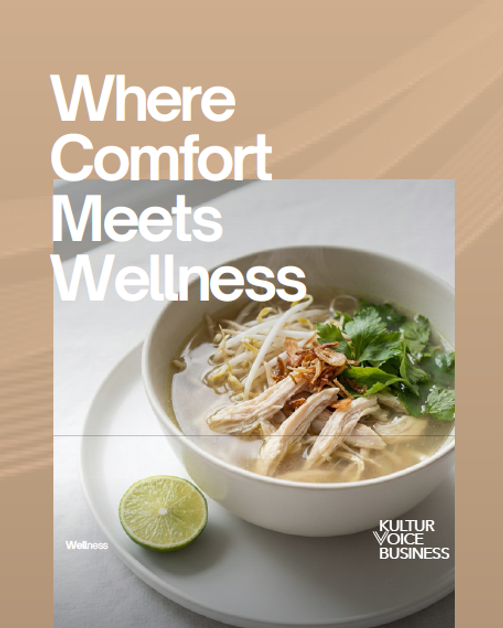

 It’s about food that gives you a sense of comfort, both physically and emotionally. Comfort food comes with meaning, it can be simply on a plate of fried rice with scrambled eggs provided by our mother every morning before leaving for school, a bowl of warm boiled noodles along with cayenne pepper that we eat when it rains with friends or soto with a sprinkle of bean sprouts provided by opung when we stay at her house.
The warmth that soto presents is a universal language. It comes with a soft texture, a familiar aroma, and a flavor that slowly energizes, such as spices such as turmeric, galangal, ginger, lemongrass and bay leaves.
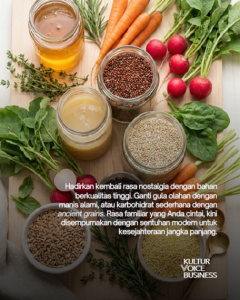
Various cuisines of various ethnicities in various provinces in Indonesia use spices and as a country that produces a lot of spices, the Indonesian population benefits from spice centers spread across Maluku, Southeast Sulawesi, South Sulawesi, Aceh, West Sumatra, Lampung, East Java, Bali and East Nusa Tenggara (NTT).
Why does comfort food give you happiness? Comfort food is often associated with childhood memories, traditions and culture or happy moments.
- Pleasant childhood memories that make us feel safe.
- Familiar: Go-to meals make us feel less bothered to make decisions about what we will eat and give us certainty.
- Culture: traditions and cultures that make us feel part of a family.
- Manage emotions: our comfort food can make our mood more balanced, in a simple way.
True luxury is to be fully present, to sit quietly, enjoy every bite, feel the rhythm.
Feed your body. Honor your peace. What is your comfort food?
Craftsmanship reflects discipline, patience, and a commitment to excellence—values that translate across every industry. If you appreciate depth over noise, explore more stories on KVB.global. Share this with fellow creators and follow Kultur Voice Business or KVB for perspectives that celebrate meaningful work.
Latest news from Kultur Voice Business