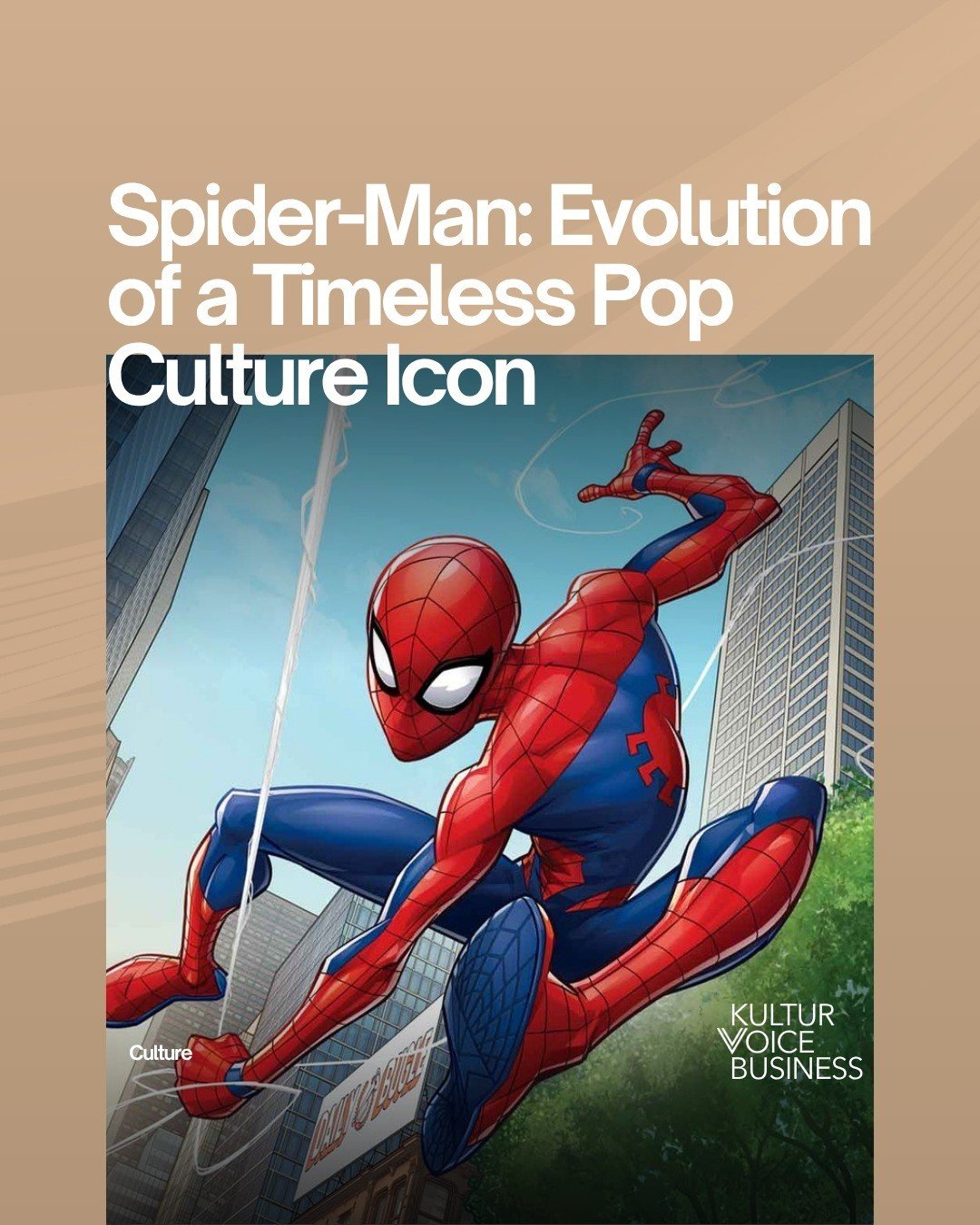

While debate often swirls around dark vigilantes or godlike aliens, one character consistently stands at the apex of global pop culture as the most beloved superhero in the world: Spider-Man. So, is Spiderman the most beloved superhero in the world?
More than six decades after his debut, the wall-crawler is far more than a staple of comic book history—he is a multi-billion-dollar cultural juggernaut and an enduring symbol of hope, resilience, and humanity. But how did a neurotically flawed teenager from Queens, New York, achieve such unmatched global dominance?
To understand Spider-Man’s legacy, we must look at the numbers, the genius storytelling framework, the legendary creative team behind his inception, and the timeless core message that keeps him relevant across generations.
1. Undisputed Commercial Supremacy
It is easy to measure popularity by fan enthusiasm, but Spider-Man backs up his emotional appeal with staggering global economics. He isn’t just popular—he is the single most profitable superhero on Earth.
As early as 2014, global retail sales for Spider-Man licensed merchandise reached a mind-boggling $1.3 billion annually. To put that in perspective, Spider-Man’s merchandise sales routinely eclipse those of Batman, Superman, and the Avengers combined.
His financial dominance extends directly to the box office. Across live-action trilogies, MCU crossovers, and the revolutionary, Oscar-winning animated Spider-Verse franchise, Spider-Man feature films have grossed over $10 billion worldwide, solidifying his status as the undisputed crown jewel of modern entertainment properties.
2. Radical Relatability: The “Everyman” Behind the Mask
Before Peter Parker swung into Amazing Fantasy #15 in August 1962, superheroes were defined by perfection. They were wealthy playboys living in mansions, mythological gods from distant realms, or invincible aliens. Teenage characters were almost exclusively relegated to sidekick duty, serving as cheerleaders for the main hero.
Creators Stan Lee and Steve Ditko inverted that dynamic entirely.
When Peter Parker puts on the mask, his personal problems don’t magically vanish. He is a working-class teenager struggling to pay rent, juggling schoolwork, dealing with imposter syndrome, fumbling his romantic life, and worrying about his frail Aunt May. Superpowers didn’t solve his life; they made it exponentially more complicated.
“As Stan Lee frequently noted, Spider-Man’s full-body suit completely conceals his race, age, and background. Anyone reading the story anywhere in the world can imagine themselves beneath the mask.”
Peter Parker’s flaws make him human. When audiences watch him struggle to balance duty with his personal life, they see their own everyday battles reflected in his heroism.
3. The Creative Team: Innovation and Corporate Synergy
Spider-Man’s initial creation—and his sustained modern presence—relies on an extraordinary blend of creative vision and strategic management.
The Legendary Inception (1962)
Spider-Man was forged through the unique alchemy of Marvel’s golden trio:
- Stan Lee: Conceived the character concept, pitched an ordinary adolescent hero against the wishes of skeptical publisher Martin Goodman, and provided snappy, neurotic inner monologues.
- Steve Ditko: Co-creator and visual genius who created the iconic full-body costume design, the web-shooter mechanics, the eerie visual mood, and early story plotting.
- Jack Kirby: Designed the legendary, high-impact debut cover of Amazing Fantasy #15 and contributed to early visual concepts.
Together, they utilized the “Marvel Method”—a collaborative technique where Ditko drew stories based on loose plot outlines before Lee filled in dialogue. This gave Spider-Man comics a dynamic visual pacing paired with fast-talking, highly relatable internal commentary.
The Modern Business Dynamic
Spider-Man’s popularity today is preserved through a unprecedented alliance between two entertainment giants: Marvel Studios and Sony Pictures.
While Sony holds the film rights, the two studios famously partnered to integrate Spider-Man into the Marvel Cinematic Universe (MCU). Marvel Studios guides the creative integration, while Sony Pictures handles financing, production, and distribution. This strategy keeps the character fresh, culturally top-of-mind, and accessible to moviegoers globally.
4. Evolution and Inclusion: A Mantle for Everyone
A key reason Spider-Man remains relevant across decades is his ability to evolve alongside society without abandoning his core identity.
From reflecting the counterculture and youth movements of the 1960s to tackling contemporary conversations surrounding mental health, grief, and community responsibility, the Spider-Man mythos moves with the times.
In 2011, writer Brian Michael Bendis and artist Sara Pichelli introduced Miles Morales, an Afro-Latino teenager from Brooklyn who inherits the mantle. Miles’ arrival proved a pivotal point in comic history: Spider-Man is not just one specific individual from Queens—it is an idea, an ethos, and a mantle that can belong to anyone brave enough to step up.
5. The Golden Creed: “With Great Power Comes Great Responsibility”
Strip away the web-shooters, the multi-million-dollar box office numbers, and the vibrant costumes, and you are left with one of the most powerful moral philosophies in fiction:
“With great power comes great responsibility.”
Unlike heroes driven by innate nobility or cosmic duty, Spider-Man’s journey begins with a tragic, selfish mistake. After gaining his powers, Peter Parker refuses to stop a fleeing burglar simply because it “isn’t his problem.” That same burglar later breaks into Peter’s home and murders his beloved Uncle Ben.
That agonizing loss transformed into a permanent moral compass. Spider-Man doesn’t fight because he is invincible; he fights because he knows the cost of doing nothing. He teaches us that true heroism isn’t defined by physical strength or perfection, but by choosing to do the right thing—especially when it costs you everything.
Conclusion: Why Spider-Man Will Always Be Our Hero
Spider-Man’s enduring status as the world’s favorite superhero isn’t an accident of marketing. It is the result of grounded, human storytelling, visionary artwork, constant evolution, and a message that resonates in every corner of the globe.
He reminds us that beneath every costume, struggle, and challenge, we all have the capacity to stand up for others. Spider-Man was, is, and always will be a hero for us all.
Where culture finds its voice. Kultur Voice Business shares stories and insights on culture, craftsmanship, heritage, and entrepreneurship. For content production and public relations support, contact KVB at hello@kvb.global.
Latest news from Kultur Voice Business