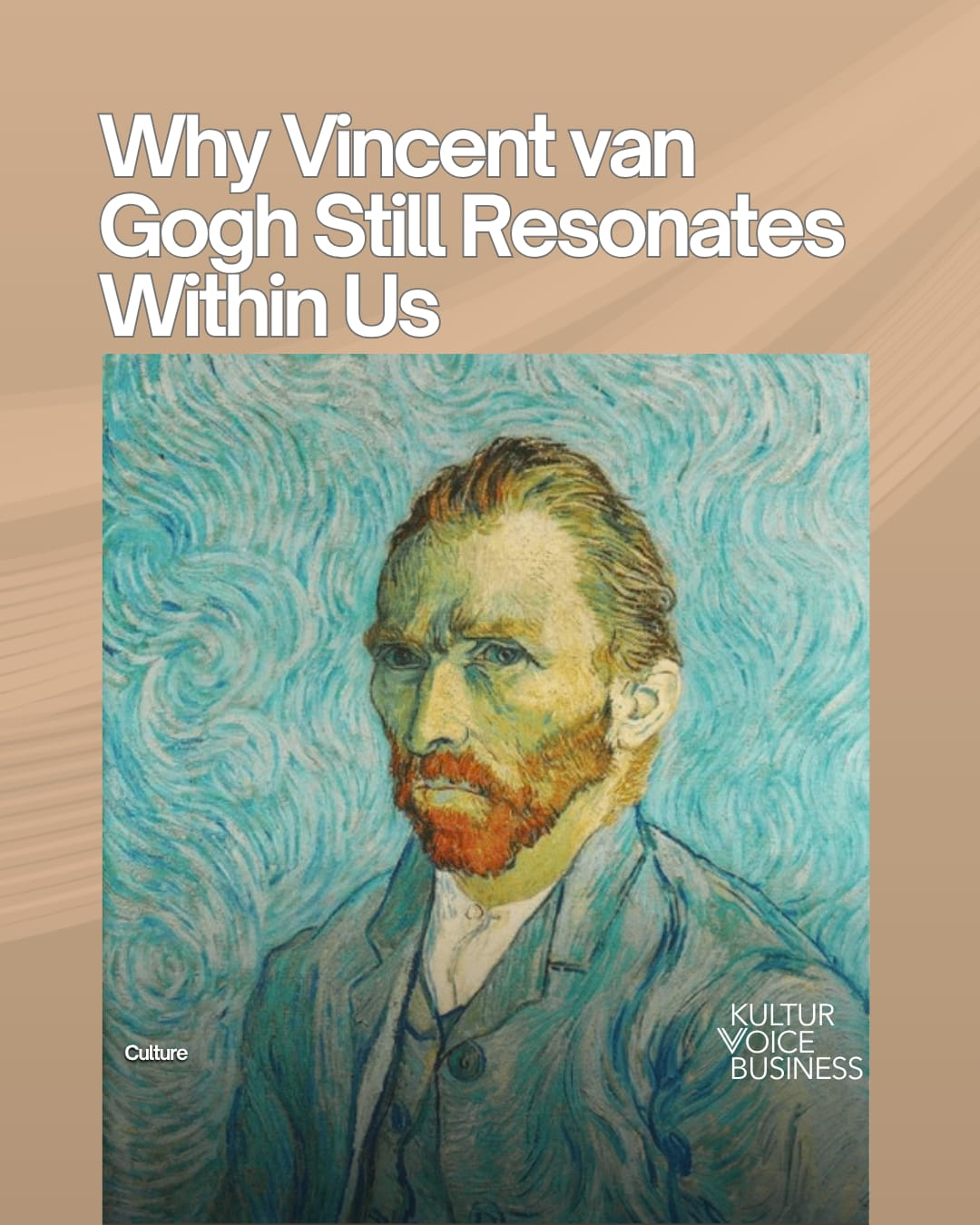

Few artists are as instantly recognizable as Vincent van Gogh. His swirling skies, vivid colors, and expressive brushstrokes have become part of global popular culture, appearing everywhere from museum walls to fashion, films, merchandise, and social media. Yet behind the iconic paintings was an artist whose life was marked by uncertainty, struggle, and an unwavering search for purpose.
Born in 1853 in Zundert, the Netherlands, Van Gogh initially had little indication that he would become an artist. He worked as an art dealer, teacher, and preacher before turning seriously to painting in his late twenties. His early works were often dark and focused on working-class life, reflecting his interest in ordinary people and their hardships.
Van Gogh moved to Paris in 1886, where he encountered the work of the Impressionists and began experimenting with brighter colors and looser brushwork. Two years later, he moved to Arles in southern France, hoping to establish an artistic community. It was there that he produced some of his most celebrated works, including Sunflowers, The Bedroom, and The Starry Night.
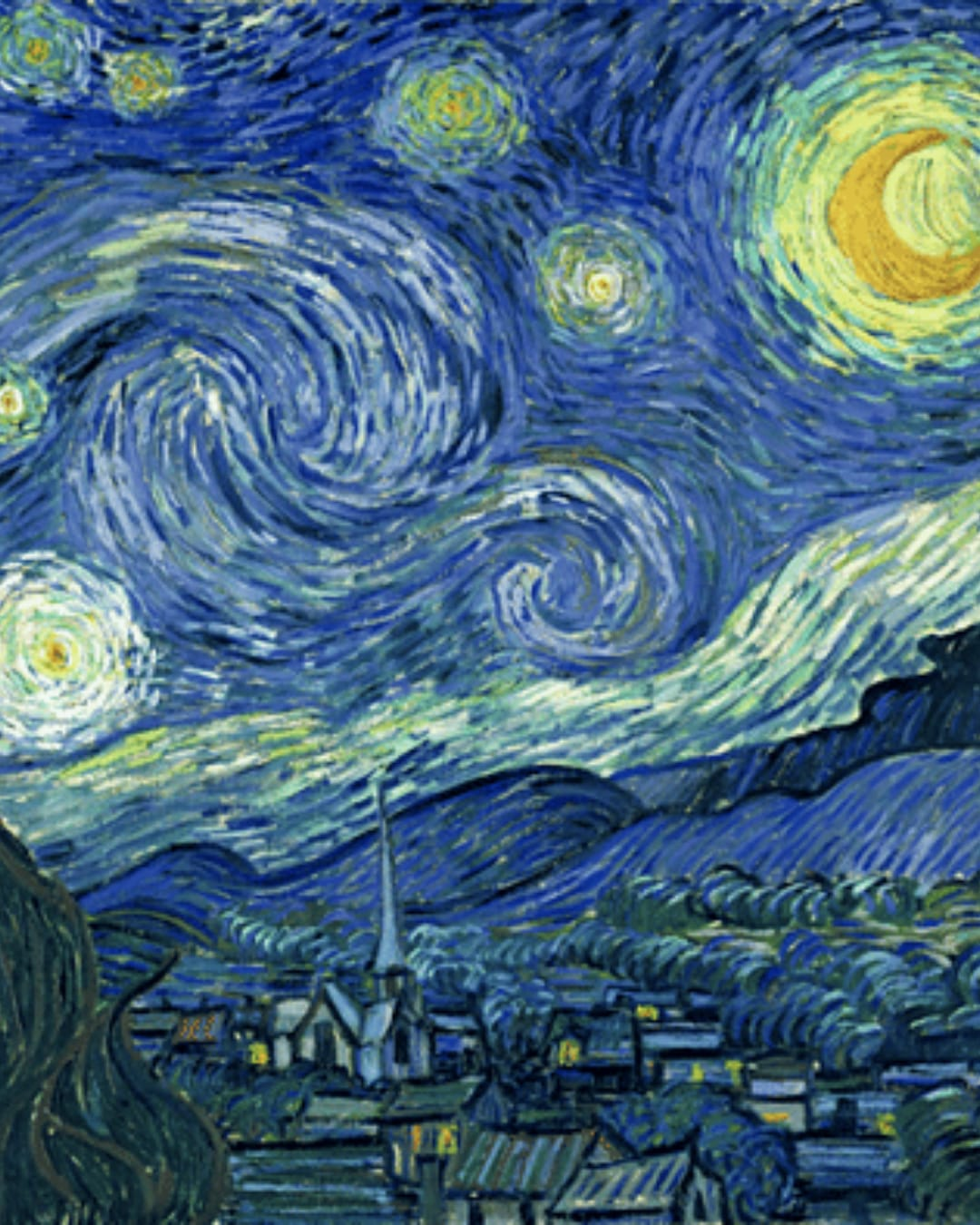 His career was far from conventional. Van Gogh struggled financially and received little recognition during his lifetime. He relied heavily on financial and emotional support from his younger brother, Theo, an art dealer who remained one of his closest confidants. Van Gogh died in 1890 at the age of 37, having sold very few paintings.
His influence, however, grew dramatically after his death. Van Gogh’s intense colors, energetic brushwork, and expressive approach to painting inspired artists throughout the 20th century and contributed to the development of modern art, particularly Expressionism. His distinctive style demonstrated how color and brushwork could communicate emotion just as powerfully as the subject itself.
Perhaps what makes Van Gogh’s legacy so enduring is not simply the beauty of his paintings, but the way his work transformed everyday subjects into something deeply personal. A night sky, a vase of flowers, a chair, or a field could become a reflection of feeling.
More than a century after his death, Van Gogh remains a cultural icon. His story is a reminder that artistic influence is not always measured by recognition during one’s lifetime. Not every work is immediately understood or appreciated, and sometimes its value only becomes visible much later. But that does not mean we should stop creating. Like Van Gogh, sometimes the most important thing is to keep making art even when we do not yet know who will see its value.
Latest news from Kultur Voice Business