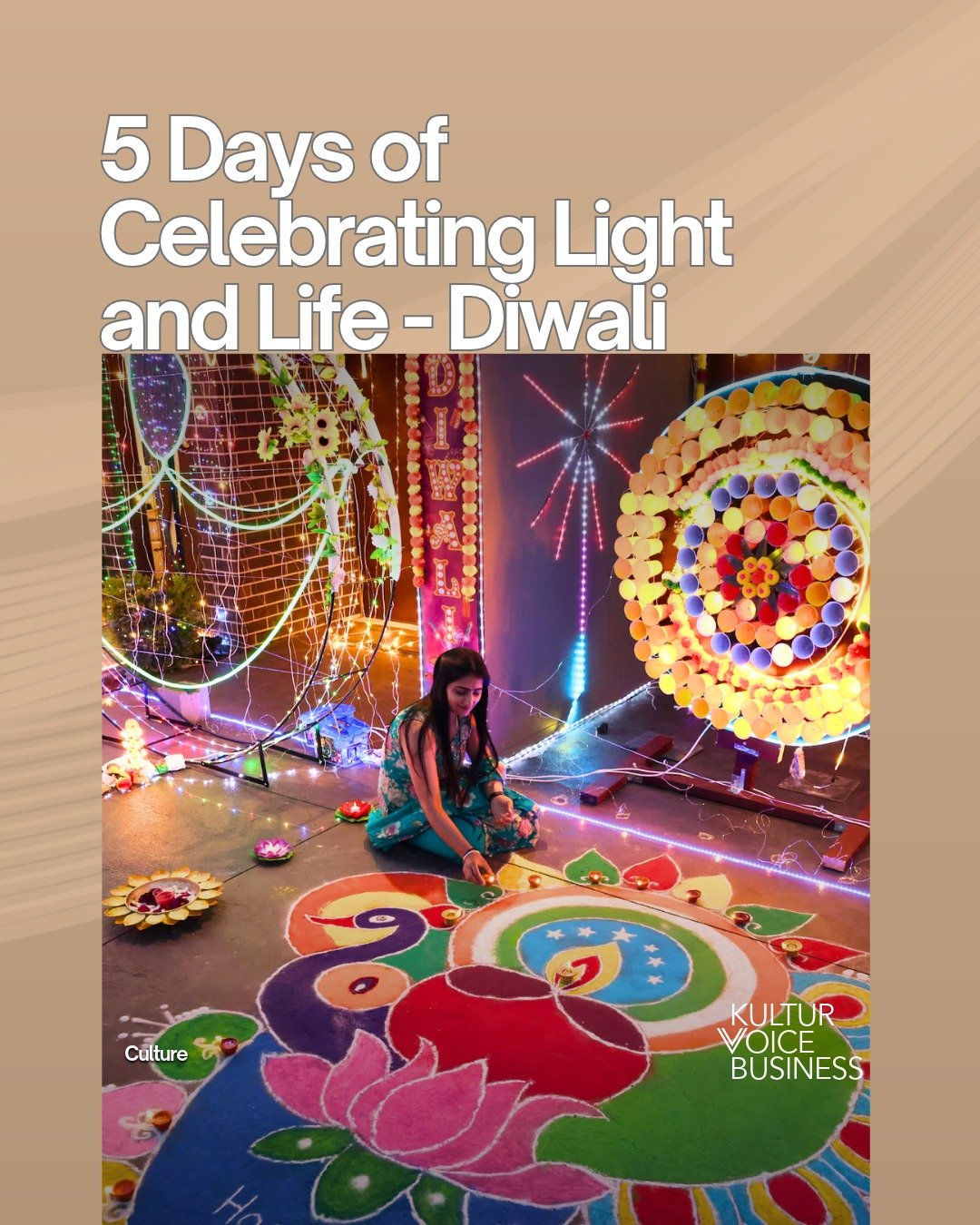

Diwali, also known as Deepavali, is one of the most significant festivals in Hindu culture. Often called the Festival of Lights, it symbolises the triumph of light over darkness, good over evil, and knowledge over ignorance. While the main celebration is widely recognised for its illuminated homes, colourful decorations, and festive gatherings, Diwali is actually marked through a series of observances, each carrying its own cultural and spiritual significance. Together, these celebrations reflect values of prosperity, renewal, gratitude, and family bonds.
The festivities begin with Dhanteras on Friday, 6 November 2026, a day associated with wealth, health, and good fortune. Dedicated to Goddess Lakshmi and Lord Dhanvantari, the Hindu deity of medicine, it is customary for families to clean their homes and purchase gold, silver, or new household items as symbols of prosperity. This is followed by Choti Diwali, or Kali Chaudas, on Saturday, 7 November, which represents the victory of good over evil. Traditionally, people light oil lamps and perform rituals believed to dispel negativity and welcome positive energy.
The most anticipated celebration takes place on Sunday, 8 November, during the main Diwali observance and Lakshmi Puja. Families gather to offer prayers to Goddess Lakshmi, seeking blessings for abundance, happiness, and success. Homes and streets come alive with diyas, decorative lights, rangoli patterns, and festive gatherings. The illumination carries a deeper meaning, representing hope and the belief that goodness can overcome darkness.
The celebrations continue with Govardhan Puja, also known as Annakut, on Monday, 9 November. This observance commemorates the story of Lord Krishna lifting Govardhan Hill to protect villagers from torrential rain sent by Indra, the god of rain and thunderstorms. The occasion highlights the importance of faith, humility, and gratitude towards nature. A central tradition is preparing and offering an elaborate assortment of vegetarian dishes, known as Annakut, as an expression of devotion and appreciation for life’s blessings.
The final observance is Bhai Dooj on Tuesday, 10 November, a celebration dedicated to the relationship between brothers and sisters. Sisters traditionally apply a ceremonial tilak to their brothers’ foreheads and offer prayers for their well-being, while brothers express their affection through gifts and gestures of appreciation. The occasion reflects the importance of family connections and the enduring bonds between siblings.
Beyond its religious traditions, the series of Diwali celebrations offers a glimpse into the cultural values that continue to shape Hindu communities across generations. Each observance carries a distinct message, from welcoming prosperity and overcoming negativity to appreciating nature and strengthening family relationships. Although customs may differ across regions and households, the spirit of Diwali remains rooted in the shared belief that light, kindness, and togetherness deserve to be celebrated.
Latest news from Kultur Voice Business