
 This Valentine’s Day, we think about some love stories that don’t just live on the pages of stories — they form the DNA of romantic cinema as we know it today.
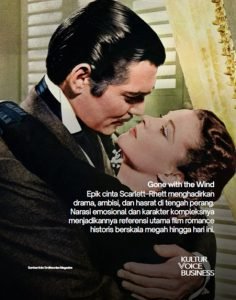
Starting from the epic splendor of the historical romance Gone with the Wind, written by Margaret Mitchell, a writer and journalist from the United States. Gone with the Wind was published in 1936 and later adapted into a feature film in 1939 that combined ambition, war, and emotional desire. The film Gone with the Wind is still the film with the most Academy Award nominations.
Then there was the eternal tragedy Romeo and Juliet published in 1957 by William Shakespeare, an English playwright, actor and poet. Romeo and Juliet is still the most popular literary work of the western world today. The forbidden love of Romeo and Juliet makes forbidden love a dramatic formula across generations in various countries of the world. The popular Korean drama Crash Landing on You also raises the topic of forbidden love such as Romeo and Juliet.
Then there’s the elegant charm of Jane Austen’s Pride and Prejudice, published in 1813, in which intellectual chemistry and social tension form the standard of classy romance, and the melancholy obsession in F. Scott Fitzgerald’s The Great Gatsby presents a glamorous visual as well as a sharp critique of the social class of the 1920s.
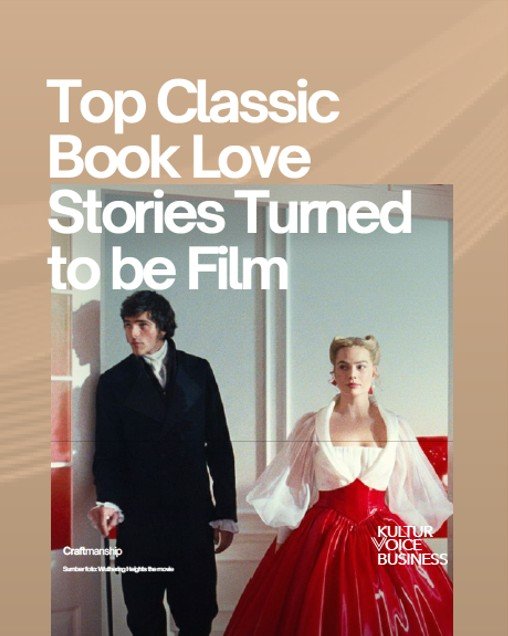
The most recent is the classic story Wuthering Heights by British author Emily Bronthe and published in 1847 and is currently being shown in cinemas featuring Australian actress Margot Robbie. Wuthering Heights takes on the themes of love, social conflict and revenge in a Gothic feel. The Gothic style was a European artistic and architectural movement from the 12th to the 16th centuries, known for its verticality, pointed arches, striped domes, intricately ornamented supports and ornaments.
This classic literary story is an inspiration and an emotional blueprint that modern filmmakers continue to adapt and relive. Love is visualized from a meaningful gaze, the dialogue shakes the heart, the ending leaves a lasting impression long after the screen is dark.
Which classic love story do you think has shaped the way we view romance in movies today?
Craftsmanship reflects discipline, patience, and a commitment to excellence—values that translate across every industry. If you appreciate depth over noise, explore more stories on KVB.global. Share this with fellow creators and follow Kultur Voice Business or KVB for perspectives that celebrate meaningful work.
Latest news from Kultur Voice Business