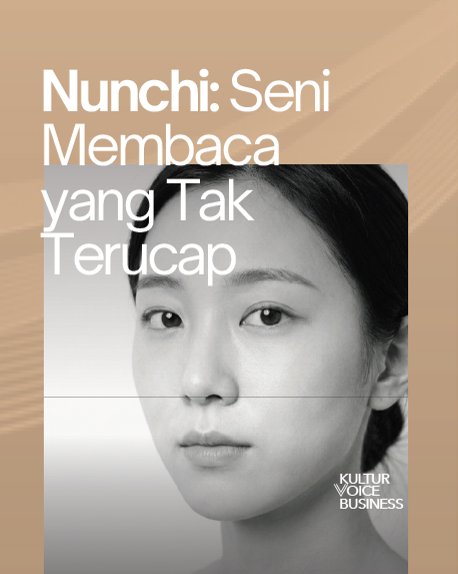

In Korean culture, Nunchi is the ability to observe sharply, have emotional sensitivity, and manage precise timing in interacting. Let’s see how Nunchi is used.
Have you ever walked into a meeting room and instantly felt a sense of tension, even though a word hadn’t been spoken? Or vice versa—meeting someone who, by his or her presence, is able to make everyone feel comfortable and understood? It’s not just an ordinary intuition. That’s Nunchi (눈치), a concept from Korea that literally means “eye measure”—the art of reading other people’s feelings and understanding the social context in order to act appropriately.
In the midst of the frenzied modern life, where everyone is racing to be heard and validate their opinions, nunchi actually highlight a more elegant power: reading the situation before speaking.
In collective cultures such as Korea, maintaining harmony and avoiding conflict is the main value. Nunchi are an important tool for maintaining harmony, especially in a large family, office, or community environment. With nunchi, a person can:
1. Know when it’s the right time to speak or be silent.
2. Avoid hurting other people’s feelings unconsciously.
3. Detecting tension or feelings of discomfort in the group.
4. Adapting to local norms and customs.
Nunchi in everyday life can be associated with wellness, namely:
1. Emotional Balance: The practice of nunchi helps reduce stress through healthier interpersonal relationships.
Good interpersonal relationships can reduce stress because they offer emotional support and a sense of security in interacting. When a person feels accepted and understood by the surrounding environment, the burden of the mind becomes lighter and the feeling of anxiety is reduced. Harmony in social relationships also creates a comfortable atmosphere, so that a person can more easily face the challenges or pressures of life without feeling alone.
In addition, open and respectful communication in interpersonal relationships can prevent unnecessary conflicts. Thus, stress stemming from misunderstandings or social tensions can be minimized. Healthy patterns of interaction, as taught in nunchi practice, contribute to emotional balance and improve overall well-being.
2. Mindfulness: Nunchi encourages presence and mindfulness, in line with mental health practices.
3. Social Harmony: Strong social relationships are the main foundation of overall well-being.
Strong social relationships are the main foundation of well-being because humans are essentially social creatures who need interaction and support from others. In everyday life, the presence of friends, family, and community provides a sense of belonging, security, and emotional support that are very important in facing life’s challenges. When a person feels accepted and supported by their environment, the burden of the mind feels lighter, so that stress levels are reduced and mental health is maintained.
In addition, harmonious social relationships encourage the creation of a comfortable and togetherness atmosphere, making it easier for individuals to grow and develop. Positive interactions also increase confidence, broaden horizons, and open up opportunities to learn from other people’s experiences. With a strong social foundation, individual well-being is not only created physically and emotionally, but also has an impact on the overall quality of life, both in terms of work, family, and community.
Nunchi also play an important role in increasing emotional awareness and full presence. Thus, nunchi help create mental balance, reduce stress, and build social harmony—all of which are important foundations for long-term well-being.
Nunchi also plays a big role for High-Performers and Business Leaders, in terms of:
1. Negotiation: Understanding when to press or back down even before the other person expresses their intentions.
2. Networking: Build sincere connections without making social faux pas.
3. Professional and Personal Relationships: Show the highest respect by understanding the needs of others without having to be asked, including to seniors and seniors.
In Korean culture, respecting older and senior people is a key principle that is highly upheld. This practice is reflected in various aspects of daily life, ranging from how to speak, to greetings, to manners in social and professional meetings. Using polite language, bowing as a form of respect, and listening to advice from those who are more experienced are tangible manifestations of this value of respect. Nunchi play an important role in respecting seniors, because with honed social sensitivity, one can read situations and understand when to put the opinions or needs of older people first.
Respecting seniors is not only about manners, but also about maintaining harmony and providing space for them to share experiences, so as to create an atmosphere of mutual respect and learning from each other. This principle is in line with the nunchi philosophy that prioritizes social harmony and balance in interactions, making intergenerational relationships closer and more meaningful.
Understanding Korean culture through Nunchi will help when doing business with Korean entrepreneurs or professionals, while applying global business practices, ethics and culture in general.
Nunchi is not just empathy, but a form of emotional intelligence that is applied in real life — an art to develop according to Korean philosophy.
How to train Nunchi for daily application in Indonesia?
1. Observe Before You Act
2. Before engaging in a conversation or activity, take the time to observe the surroundings. Pay attention to facial expressions, body language, and the way people talk to each other. In Indonesian culture, this is often done by “paying attention to behavior” before participating in the conversation.
3. Listen More, Talk Less
4. People who have nunchi tend to be good listeners. They are not in a hurry to express their opinions, but rather listen carefully to understand the situation first before responding.
5. Sensitive to Nonverbal
Language 6. Many messages are conveyed through gestures, intonation, and eye gaze. For example, when someone says “it’s okay” but their face looks gloomy, nunchi helps us grasp the true meaning behind the words.
7. Empathize and Put Yourself in the Shoes of Others
8. Try to understand the other person’s feelings and point of view. With empathy, you can more easily sense the emotional dynamics that are happening around you.
9. Learn from Situations That Have Already Occurred
Reflection after interaction is important so that we can improve the nunchi. Ask yourself, “Is it time to speak?” or “Has my response made the mood better?”
If you want to learn more about Nunchi, you can read this concept in depth in the book The Power of Nunchi: The Korean Secret to Happiness and Success by Euny Hong. Euny Hong outlines the roots of nunchi culture and offers practical guidance for honing social sensitivity. The mastery of nunchi is believed to be able to improve the quality of relationships, careers, and life as a whole.
Happy reading and practicing Nunchi.
Great living is built from intentional choices— what you watch, wear, read, and practice. If you value thoughtful lifestyle and cultural insights, explore more on KVB.global. Share this article with someone who would appreciate it and follow Kultur Voice Business or KVB for curated inspiration that actually adds value.
Latest news from Kultur Voice Business