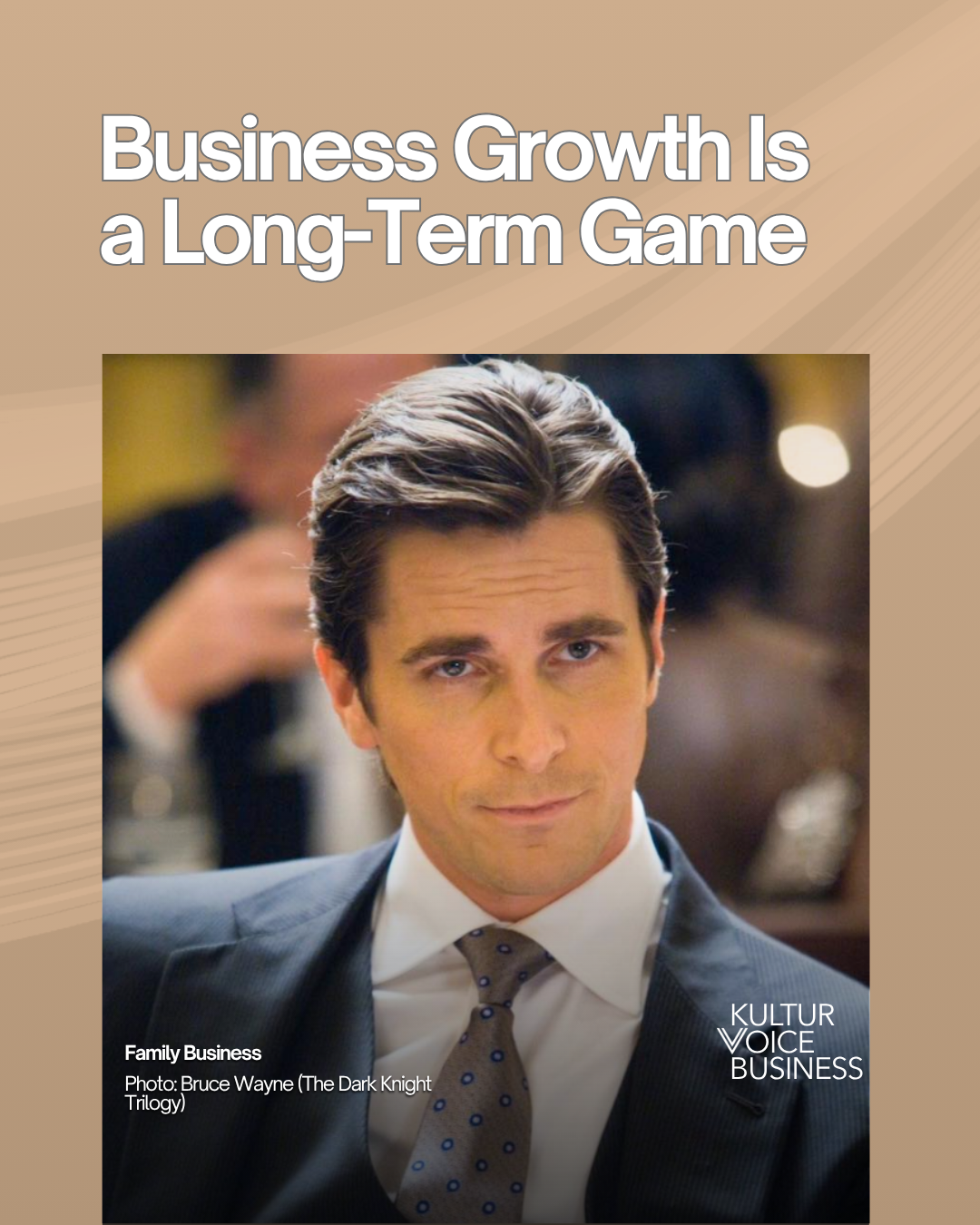

Success is often presented as a race. Social media highlights young entrepreneurs building million-dollar companies, making early investments, and achieving milestones that once took decades. While these stories can be inspiring, they can also create unrealistic expectations about how quickly success should happen. For business owners, the pressure to keep up can lead to rushed decisions, poorly evaluated opportunities, and business ventures built around urgency rather than strategy.
Yet sustainable growth rarely follows a straight or predictable timeline. Building a successful business requires more than ambition. It demands patience, discipline, and consistency to create value that lasts.
Not every opportunity needs to be pursued, and not every business must scale immediately. Patience allows entrepreneurs to distinguish between genuine opportunities and decisions driven by the fear of falling behind. Rather than rushing into unfamiliar markets or expanding before operations are ready, business owners can focus on strengthening their foundations, understanding their customers, and developing a clear competitive advantage.
For family businesses, this long-term perspective is particularly important. Investments in reputation, customer relationships, and leadership development may take years to generate meaningful returns, but they can provide stability and continuity across generations.
Ambition establishes direction, but discipline determines whether a business moves forward. It is reflected in maintaining financial controls, setting realistic objectives, evaluating performance, and making decisions based on evidence rather than external pressure.
Discipline also means accepting that progress sometimes requires restraint. Choosing not to expand prematurely, maintaining a consistent investment strategy, or prioritizing operational improvements over visible achievements can protect a business from unnecessary risks. These decisions may attract less attention, but they help establish the conditions for sustainable growth.
Long-term success is rarely the result of a single breakthrough. More often, it emerges from repeated efforts: improving products, strengthening customer relationships, refining processes, and learning from mistakes.
Consistency turns these actions into organizational capabilities. Over time, incremental improvements can strengthen customer loyalty, improve efficiency, and build a reputation that competitors cannot easily replicate. For family businesses, consistent execution also helps translate established values into practices that remain relevant as markets evolve.
Business growth is not a competition against someone else’s timeline. It is a process of positioning a company to succeed over the long term. Patience helps leaders see beyond immediate results, discipline keeps their decisions aligned with strategic priorities, and consistency turns those priorities into measurable progress.
The goal is not simply to achieve success early, but to build a business capable of sustaining it. When business owners stop chasing someone else’s milestones and start investing in their own foundations, growth becomes less about keeping up and more about creating lasting value.
Latest news from Kultur Voice Business