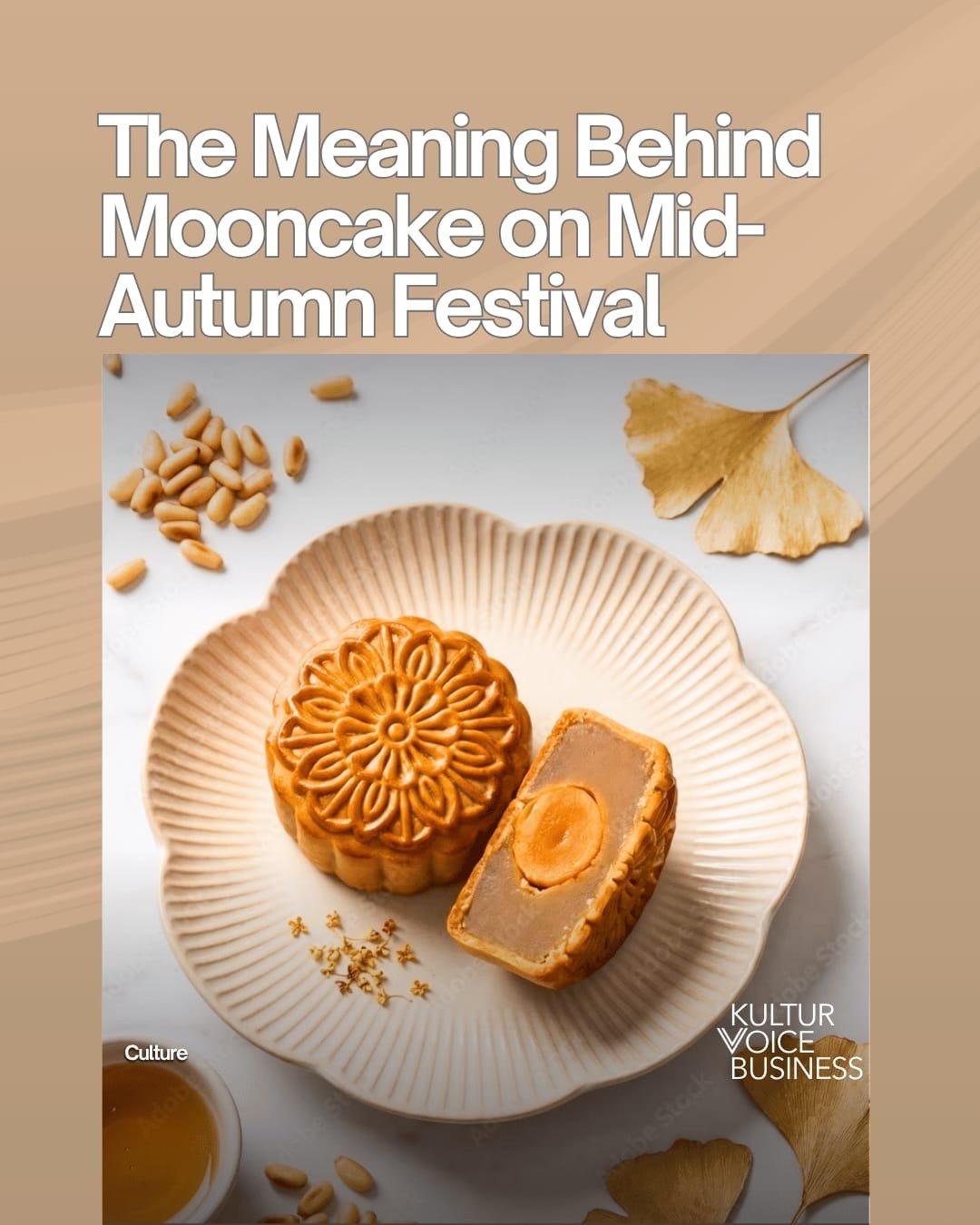

As the eighth month of the lunar calendar arrives each year, mooncakes return to dining tables, bakery windows, hotel counters, and carefully wrapped gift boxes across East and Southeast Asia. More than a seasonal delicacy, these round pastries have become one of the most recognisable symbols of the Mid-Autumn Festival, celebrated on September 25 this year. In the weeks leading up to the occasion, choosing a mooncake can become a ritual, with families comparing trusted recipes, friends exchanging recommendations, and hosts selecting assortments to serve with tea after dinner.
One popular legend connects mooncakes to the Yuan Dynasty, when secret messages calling for an uprising against Mongol rule were supposedly hidden inside the cakes. Although there is no definitive historical evidence confirming the story, the tale has endured as an important part of mooncake folklore. Retold at family gatherings and in festive displays, it adds a sense of intrigue to a food already layered with symbolism, showing how culinary traditions can carry stories from one generation to the next even as their historical details remain uncertain.
Beyond the legend, the mooncake’s cultural significance is closely tied to its shape. Traditionally round like the full moon, it represents completeness, harmony, and reunion. During the festival, families gather to admire the moon, share seasonal fruit and tea, light lanterns, and exchange mooncakes as expressions of affection and togetherness. For relatives living apart, a beautifully packaged box can serve as a thoughtful reminder of home; for hosts, slicing one cake into small wedges allows everyone at the table to share several flavours without turning the evening into an overly rich feast.
Mooncakes themselves come in a variety of traditional forms, each reflecting regional tastes and techniques. Classic baked versions often feature rich fillings such as lotus seed paste, red bean paste, mixed nuts, or salted egg yolks, whose golden centres evoke the full moon. Their elaborately moulded surfaces may carry Chinese characters or motifs associated with longevity, prosperity, and harmony. Because the pastries are dense and intensely flavoured, they are commonly cut into modest portions and paired with fragrant tea, creating a slower, more social style of eating that encourages conversation and comparison.
Yet the tradition continues to evolve with changing tastes and lifestyles. Modern mooncakes now appear as chilled snow-skin varieties, delicate miniatures, and inventive creations flavoured with matcha, chocolate, pistachio, coffee, or durian. Bakeries and hospitality brands often treat their annual collections as design statements, presenting them in reusable tins, drawers, or keepsake boxes that become part of the gifting experience. At the same time, smaller portions, reduced-sugar recipes, and curated pairings appeal to people who want to enjoy the celebration more mindfully. Contemporary interpretations may look very different from their predecessors, but the ritual of sharing remains at the heart of the tradition.
The enduring appeal of the mooncake lies beyond its ingredients. It creates a reason to pause, set the table, reconnect with relatives and friends, and celebrate the relationships that give traditions their meaning. A Mid-Autumn evening may be as elaborate as a large family dinner or as simple as opening a single mooncake at home, brewing a favourite tea, and calling someone who lives far away. As people gather under the autumn moon — or recreate the ritual wherever they are — each mooncake becomes more than a dessert: it is a small, edible expression of memory, hospitality, and togetherness.
Explore lifestyle and culture content at Kultur Voice Business family business channel https://kvb.global
Latest news from Kultur Voice Business