
Norway, a nation famed for its stunning landscapes, has captured global attention and hearts through both sporting excellence and unparalleled financial wisdom.
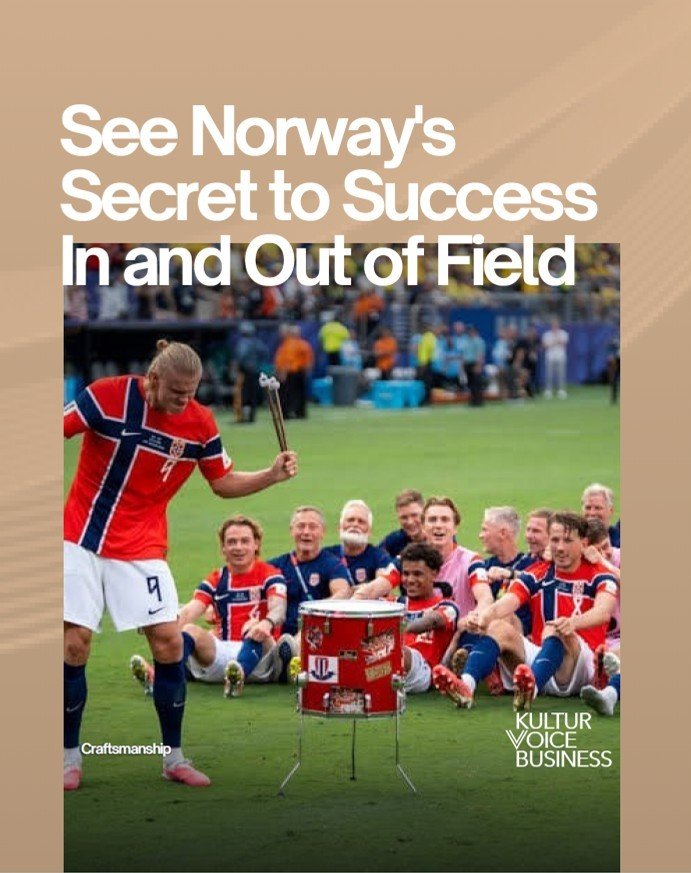
On the pitch, the Men’s National Team delivered a historic run at the 2026 FIFA World Cup. Marking their return after a 28-year absence, Norway marched all the way to the quarterfinals. After advancing from the group stage, they overcame Ivory Coast and secured a historic 2-1 triumph over Brazil, before eventually bowing out in a tight 1-2 extra-time loss to England.
This campaign was elevated by a unique multi-generational legacy. Three key stars — Erling Haaland, Alexander Sørloth, and Kristian Thorstvedt — are the sons of Alf-Inge Haaland, Gøran Sørloth, and Erik Thorstvedt, respectively. In a poetic twist, all three of their fathers were teammates who represented Norway at the 1994 World Cup in the United States. This remarkable connection highlights the deep-rooted athletic DNA fuelling Norway’s football renaissance.
Off the field, Norway commands global respect through its pioneering financial model. Established in 1990 to manage surplus revenues from the country’s petroleum sector, the Government Pension Fund Global (GPFG)—often called the Oil Fund – is the world’s largest sovereign wealth fund or state-owned investment fund composed of money generated by the government, often derived from a country’s surplus reserves and aimed at providing benefit for a country’s economy and its citizens. Boasting over $2 trillion in assets by mid-2026, the fund owns roughly 1.5% of all listed global stocks.
The fundamental purpose of this fund is long-term stewardship. By investing strictly abroad, it shields the domestic economy from oil price volatility and prevents economic overheating. More importantly, it serves as a generational savings plan. Each year, the government draws a small, sustainable portion of the fund’s returns to finance the Norwegian welfare state. This capital supports roughly 25% of the national fiscal budget, funding public services, education, infrastructure, and pensions, ensuring that Norway’s natural resource wealth benefits citizens both today and for generations to come.
A sovereign wealth fund (SWF) is a state-owned investment fund composed of money generated by the government, often derived from a country’s surplus reserves. SWFs provide a benefit for a country’s economy and its citizens. Returns from a sovereign wealth fund provide additional government revenue.
SWFs have different economic goals and are generally classified into different categories depending on their mandate, which are Stabilization Funds designed to shield the domestic economy from sudden shocks in government revenues, savings or Future Generations Funds: to save resource revenues for future generations after exhaustible resources are depleted, Reserve Investment Funds that is built to increase the return on investment for excess foreign exchange reserves held by a central bank and Strategic Development Funds: Invests in domestic infrastructure and emerging industries to promote long-term economic growth and development.
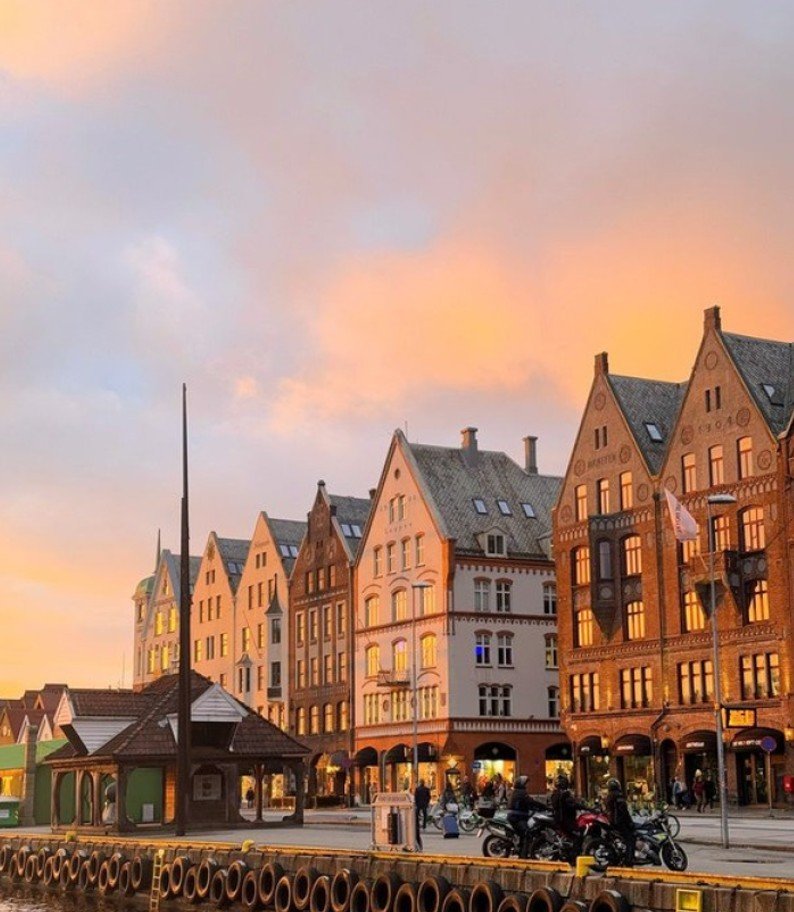 Through sporting triumphs and visionary wealth management, Norway continues to show how a nation can honor its legacy while securely building its future.
Norwegian or Kongeriket Norge (Noreg) is a Nordic country on the Scandinavian Peninsula in Northern Europe, the remote Arctic island of Jan Mayen and the Svalbard archipelago. The country shares a long eastern border with Sweden, and borders Finland and Russia to the northeast. Norway has a vast coastline overlooking the Skagerrak Strait, the North Atlantic Ocean, and the Barents Sea. The total area of the country of Norway is 385,207 km².
Norway and the Vikings or seafaring people from Scandinavia (modern Denmark, Norway, and Sweden) active from the late 8th to the late 11th centuries. Norway and Vikings are deeply intertwined, as Norway’s rugged, fjord-carved geography forced its ancient inhabitants to become master seafarers. During the Viking Age (roughly 793–1066 AD), these Norwegian explorers and raiders sailed west, eventually colonizing places like Iceland, Greenland, and Canada
Join the conversation on family business, voice, and culture. Subscribe to Kultur Voice Business for stories, insights, and perspectives from founders, owners, and next-generation leaders.
Latest news from Kultur Voice Business