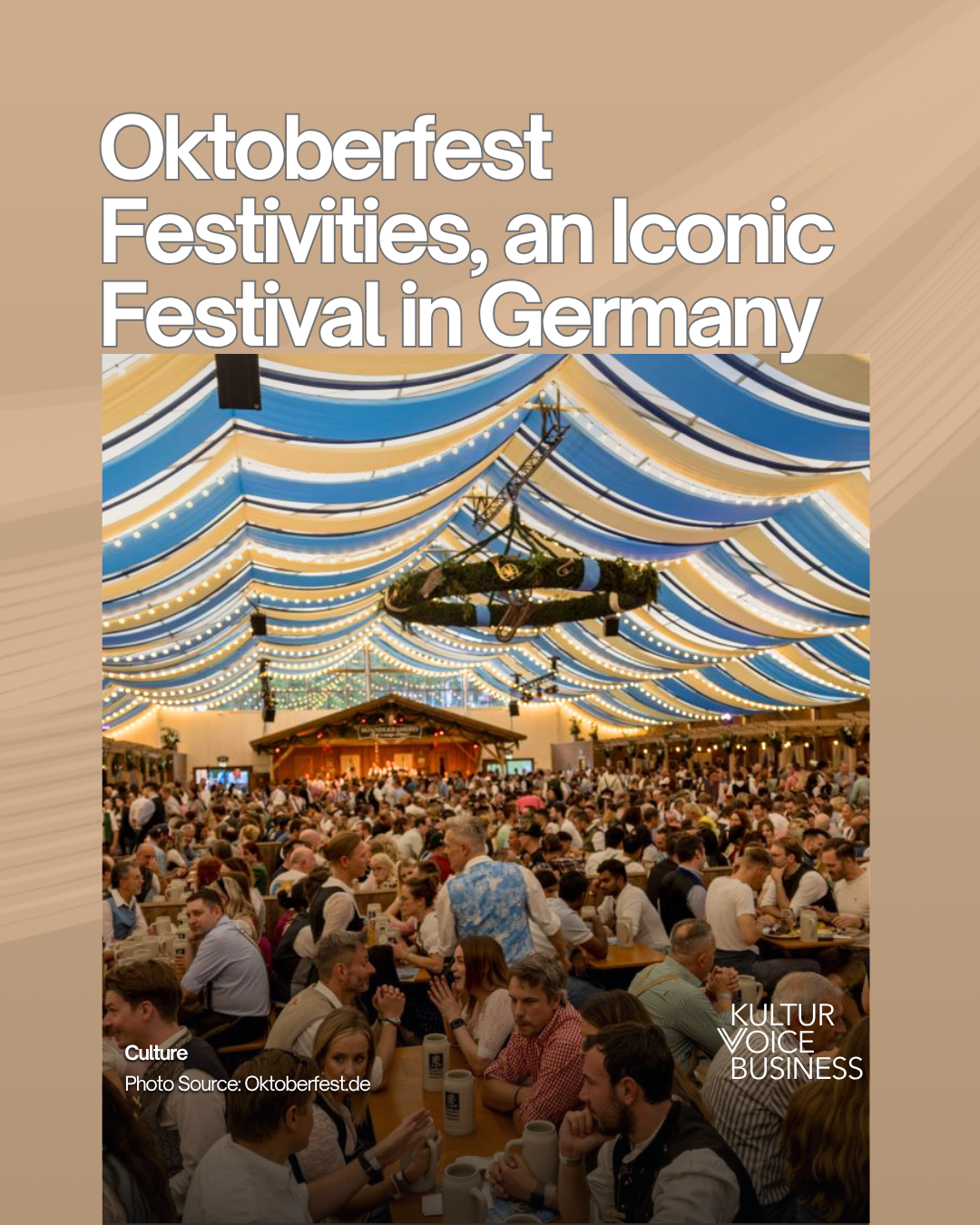

Oktoberfest is a two-week festival usually held in late September until early October. It is one of the world’s largest folk festivals, held annually in Munich, Germany. Known for its lively beer tents, traditional Bavarian clothing, music, food, and amusement rides, the festival attracts millions of visitors from around the world. Beyond its reputation as a beer festival, Oktoberfest represents Bavarian identity, community, and the preservation of cultural traditions.
The history of Oktoberfest is rather a romantic one, that dates back to October 12, 1810, when Crown Prince Ludwig of Bavaria married Princess Therese of Saxony-Hildburghausen. To celebrate their wedding, the royal family organized public festivities that included a horse race on a field outside Munich. The celebration was so well received that the event was repeated the following year, gradually developing into an annual tradition. The field was named Theresienwiese, meaning “Therese’s Meadow”, in honor of the princess. Today, the festival is commonly called the Wiesn by locals, after its historic location. Over time, agricultural exhibitions, amusement rides, food stalls, and beer tents became important parts of the celebration.
Oktoberfest offers a wide variety of activities for visitors of different ages. One of its main attractions is the large beer tents, where guests gather to enjoy traditional Bavarian beer, local dishes, and live music. Popular foods include roast chicken, pretzels, sausages, and cheese-based specialties. Visitors can also experience traditional folk music, dance performances, and parades featuring traditional costumes, marching bands, and decorated horse-drawn carriages. Meanwhile, the festival grounds feature amusement rides, including roller coasters and Ferris wheels, as well as smaller stalls selling souvenirs, sweets, and local products. Families can enjoy dedicated attractions and special events, making Oktoberfest more than an adult-oriented celebration.
The significance of Oktoberfest extends beyond entertainment. It supports local businesses, breweries, food vendors, and tourism while introducing international visitors to Bavarian customs and hospitality. Its ability to preserve historical traditions while welcoming modern attractions demonstrates how cultural celebrations can remain relevant across generations.
The 2026 Oktoberfest further highlighted its global appeal, welcoming an estimated 7.4 million visitors over 16 days, making it the most attended edition in the festival’s history at the time of the report. Oktoberfest is more than a seasonal gathering as it is also a celebration of history, cultural pride, and shared experiences that continues to connect people from different backgrounds.
Latest news from Kultur Voice Business